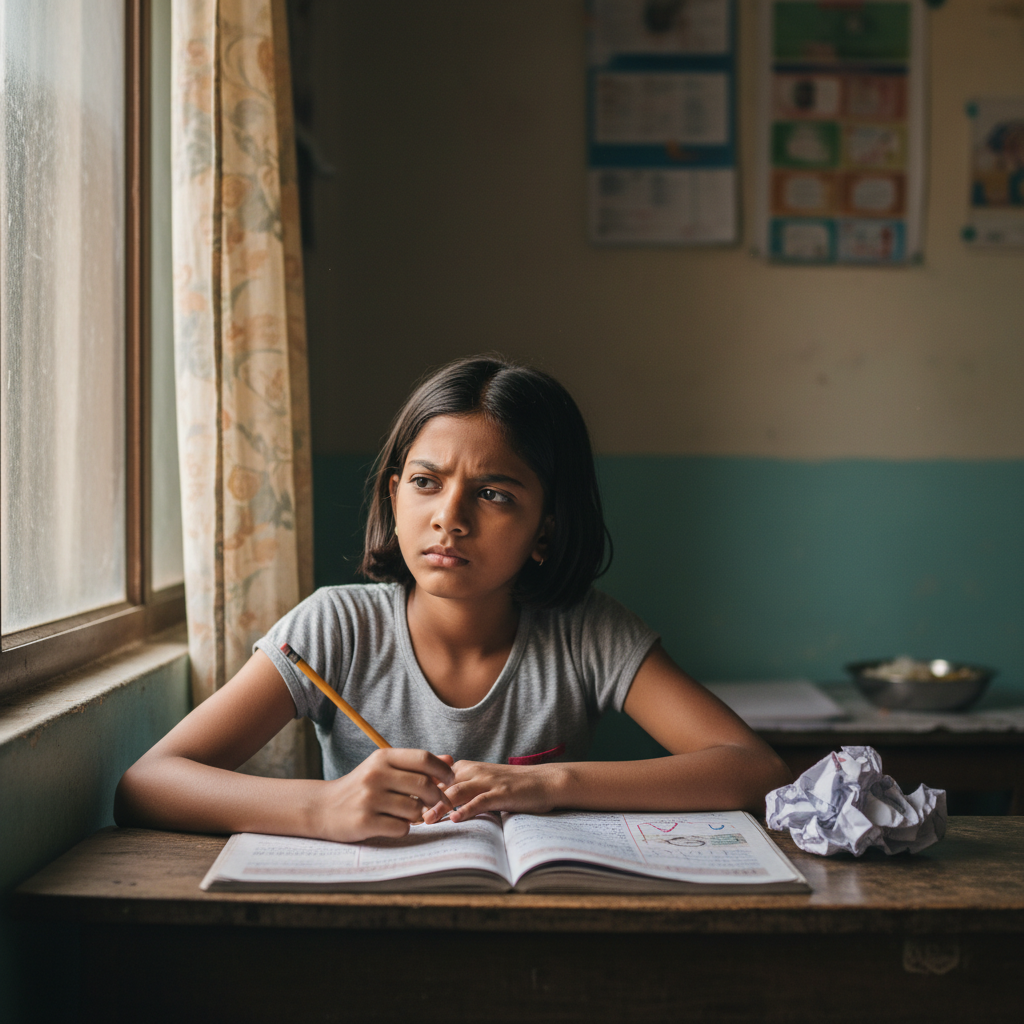
The pressure’s on. You’re a student, staring down the barrel of another exam season, or maybe a parent, watching your child wrestle with academic demands. You see the late nights, the stress, the constant striving for better marks. But are we all missing something? Are we stuck in a system that values rote learning over real understanding, degrees over skills, and conformity over individuality? In 2026, the Indian education system is at a critical juncture. It’s a maze, no doubt, but one we can navigate – and even thrive in – if we understand how the game is truly played.
The Real Problem: More Than Just Marks
Let’s be honest. The biggest struggle for most students isn’t just the syllabus or the exams. It’s the *pressure*. The pressure to perform, to score well, to secure a “good” future. This pressure often comes from parents, teachers, and society at large, all of whom equate marks with intelligence and career success. This is where the real problems begin:
* **Anxiety and Stress:** The relentless focus on marks creates immense stress, leading to anxiety, burnout, and even depression. Social media, ironically, often makes things worse, fueling comparison and the “fear of missing out”.
* **Shallow Learning:** The mad scramble to memorize facts for exams leaves little room for genuine understanding. Students become skilled at *cramming*, not *comprehending*. This is a problem.
* **Narrowed Horizons:** The system often pushes students towards conventional career paths, limiting their exploration of diverse interests and talents.
How Education *Actually* Works (Beyond the Textbook)
To succeed in 2026, we need a fresh perspective on education. It’s not just about textbooks, lectures, and exams. It’s about building a solid foundation of skills and a mindset that embraces lifelong learning.
* **Skills over Degrees:** While a degree still holds value, employers increasingly seek skills like problem-solving, critical thinking, creativity, and adaptability. These are the abilities that will truly matter in the future.
* **The Power of Habits:** Effective study habits are paramount. This includes time management, active recall, and creating a dedicated study space.
* **The Growth Mindset:** Embrace the idea that intelligence and abilities aren’t fixed. View challenges as opportunities for growth, not failures. This is a huge factor.
* **Holistic Development:** Education should nurture the whole person – intellectual, emotional, social, and physical. This includes extracurricular activities, hobbies, and developing strong interpersonal skills.
Practical Advice for Students and Parents in 2026
Navigating the educational landscape in 2026 demands a proactive approach. Here’s what students and parents can do:
### For Students:
* **Prioritize Understanding:** Don’t just memorize; strive to *understand* the concepts. Ask “why” and “how” constantly.
* **Develop Effective Study Habits:** Experiment with different study techniques to find what works best for you.. Try the Pomodoro Technique: study for 25 minutes, then take a 5-minute break.
* **Manage Social Media:** Be mindful of your social media usage. Limit time spent on platforms, and avoid the constant comparison trap.
* **Explore Your Interests:** Don’t be afraid to pursue your passions, even if they aren’t “mainstream.”
* **Seek Help When Needed:** Don’t hesitate to ask teachers, tutors, or mentors for help. There’s no shame in seeking support.
### For Parents:
* **Focus on the Process, Not Just the Outcome:** Encourage effort, perseverance, and a love of learning, rather than solely focusing on marks.
* **Create a Supportive Home Environment:** Provide a quiet study space, and open lines of communication.
* **Be Involved, But Not Overbearing:** Stay informed about your child’s education, but avoid excessive pressure. Help with homework when needed, but don’t do it *for* them.
* **Foster a Growth Mindset:** Praise effort and persistence, and help your child view mistakes as learning opportunities.
* **Encourage Reading:** Reading is the foundation for educational success.
Common Academic Mistakes (and How to Avoid Them)
Many students fall into predictable traps. Recognizing these mistakes is the first step toward avoiding them:
* **Procrastination:** Putting things off until the last minute leads to stress and rushed work. **Solution:** Break down assignments into smaller, manageable chunks and create a realistic study schedule.
* **Passive Learning:** Simply re-reading notes or highlighting text is often ineffective. **Solution:** Use active recall, self-testing, and practice explaining concepts in your own words.
* **Ignoring Weaknesses:** Focusing only on subjects you enjoy and neglecting areas where you struggle is a recipe for disaster. **Solution:** Identify your weak areas and dedicate extra time and effort to improving them.
* **Cramming:** Last-minute cramming leads to poor retention and stress. **Solution:** Space out your study sessions and review material regularly.
* **Lack of Sleep and Self-Care:** Burning the midnight oil and neglecting your physical and mental health. **Solution:** Prioritize sleep, exercise, and a balanced diet.
Busting Popular Myths
It’s time to debunk some common misconceptions about education:
* **Myth:** High marks equal intelligence. **Reality:** Marks are just one measure of academic performance. Other skills and qualities are equally important.
* **Myth:** Coaching guarantees success. **Reality:** Coaching can be helpful, but it’s not a magic bullet. Success depends on effort, discipline, and understanding.
* **Myth:** A degree guarantees a stable career. **Reality:** The job market is constantly evolving. Skills, adaptability, and continuous learning are key to career success.
* **Myth:** You must choose your career path early. **Reality:** It’s okay to explore different options and change your mind.
The Long-Term Impact: Building a Future-Ready Mindset
The lessons you learn, the skills you acquire, and the mindset you develop during your education journey have a profound impact on your future:
* **Resilience:** Learning to overcome challenges and bounce back from setbacks builds resilience, a crucial skill for navigating life’s ups and downs.
* **Adaptability:** Developing a growth mindset and a willingness to learn new things equips you to adapt to a rapidly changing world.
* **Critical Thinking:** The ability to analyze information, solve problems, and make informed decisions is essential for success in any field.
* **Career Growth:** Building a strong foundation of skills, knowledge, and a proactive attitude towards learning will pave the way for a fulfilling career.
2026 and Beyond: The Future of Indian Education
The Indian education system is undergoing a massive transformation. Here’s a glimpse of what to expect:
* **Skills-Based Learning:** Emphasis on practical skills and vocational training will increase.
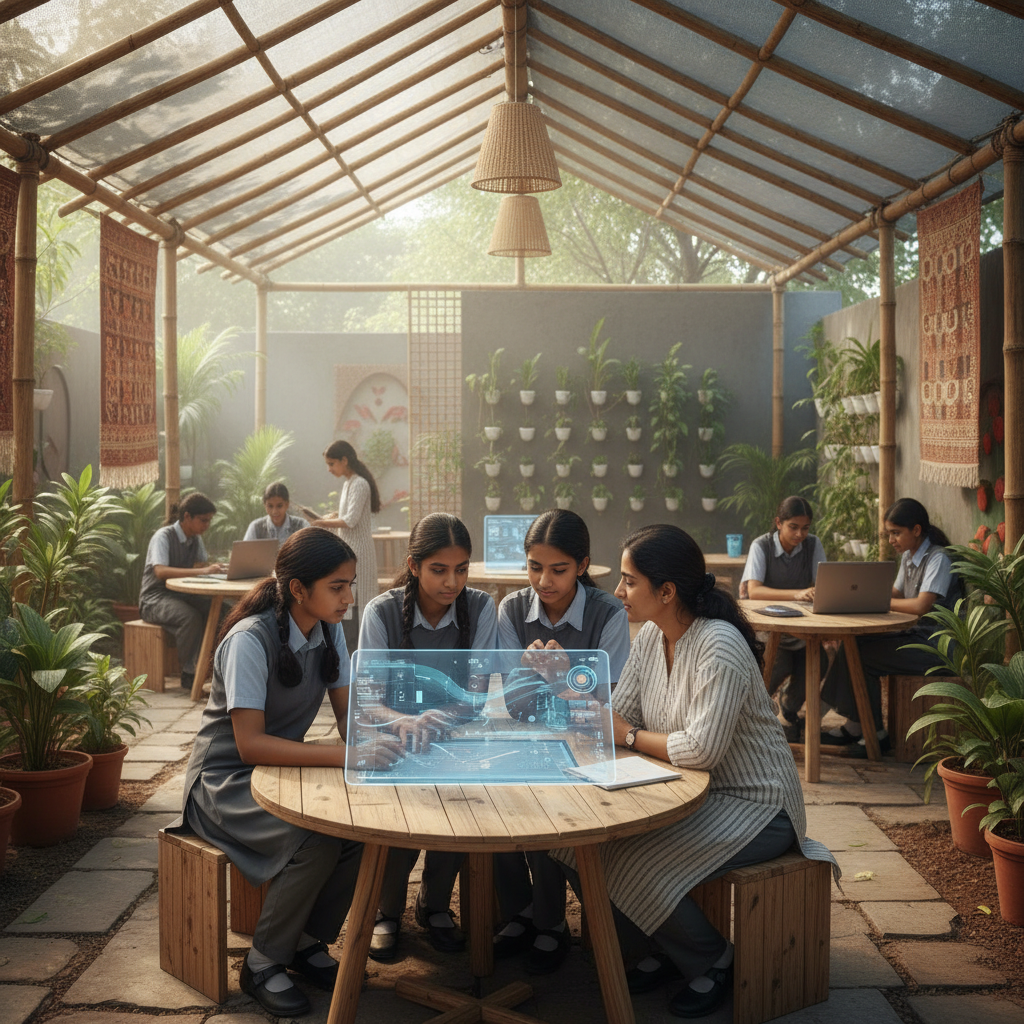
* **Integration of Technology:** AI, virtual reality, and other technologies will play a greater role in the classroom.
* **Personalized Learning:** Education will become more tailored to individual student needs and learning styles.
* **Flexible Pathways:** The rigid structure of traditional education will give way to more flexible and customizable learning paths.
* **Focus on Outcomes:** Institutions may have to offer outcome guarantees to attract students.
The education sector is at an inflection point. By staying informed, embracing change, and focusing on skills, students and parents can successfully navigate this evolving landscape. This is also where AI in Cybersecurity: Navigating the Double-Edged Sword in 2026 becomes relevant, as technology plays a crucial role. For more information on the educational landscape, you can always visit Infosprout.
FAQ: Your Burning Questions Answered
Here are some frequently asked questions about education in India, along with practical answers:
**1. How can I reduce exam stress?**
* **Answer:** Plan ahead, break down your studies, practice relaxation techniques (deep breathing, meditation), get enough sleep, and talk to someone you trust.
**2. Is coaching necessary for success?**
* **Answer:** Coaching can be helpful, but it’s not a substitute for hard work and understanding. Focus on building a strong foundation.
**3. How can I improve my study habits?**
* **Answer:** Create a study schedule, find a quiet study space, use active recall and spaced repetition, and take regular breaks.
**4. What are the most important skills for the future?**
* **Answer:** Problem-solving, critical thinking, creativity, adaptability, communication, and digital literacy.
**5. How can I help my child succeed in school?**
* **Answer:** Create a supportive home environment, encourage a love of learning, and be actively involved in their education.
**6. Is it okay if my child doesn’t want to follow a traditional career path?**
* **Answer:** Absolutely! Encourage your child to explore their interests and passions and to pursue careers that align with their skills and values.
**7. How does social media affect a student’s mental health?**
* **Answer:** Social media can create pressure to perform, promote comparison, and lead to anxiety. Be mindful of usage.
**8. What role does the NEP (National Education Policy) play in the future of education?**
* **Answer:** The NEP aims to bring a lot of change. It aims to introduce multi-disciplinary learning, flexible degree pathways, and to focus on the basics.
By embracing a growth mindset, prioritizing skills, and taking a proactive approach, students and parents can thrive in the Indian education system of 2026 and beyond.