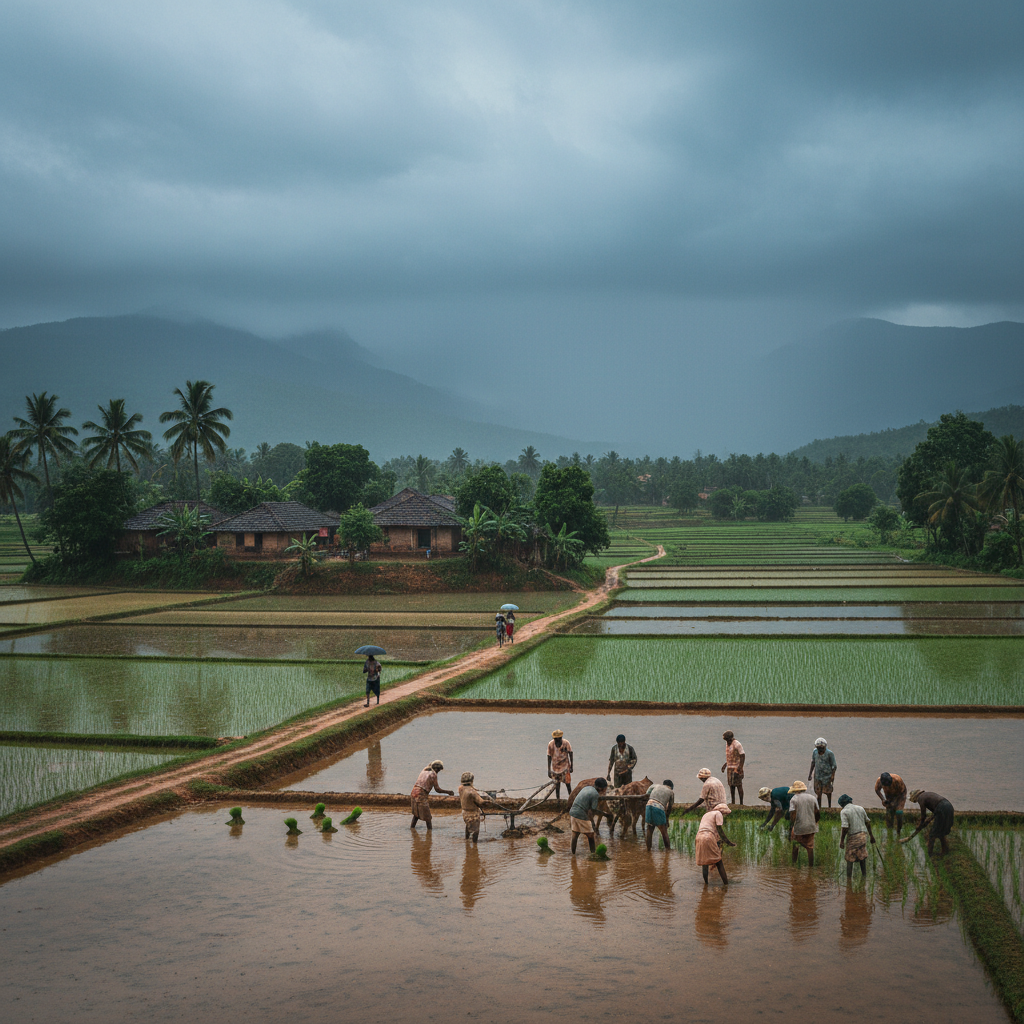
Imagine a nation teetering on the brink of starvation, its people haunted by the specter of famine. This was India in the mid-20th century. With a rapidly growing population and traditional farming methods struggling to keep pace, the country faced a critical food shortage. This is where the Green Revolution entered the scene, a transformative period that reshaped Indian agriculture and, by extension, the nation’s destiny. But was this revolution a complete success story? Or did it sow the seeds of future challenges along with its bountiful harvests?
## The Genesis of a Revolution
The Green Revolution in India began in the 1960s, driven by the urgent need to address widespread food insecurity. Traditional farming practices, heavily reliant on the monsoon and outdated techniques, were simply insufficient to feed a burgeoning population. The memory of the devastating Bengal Famine of 1943, which claimed millions of lives, served as a stark reminder of the dangers of food scarcity.
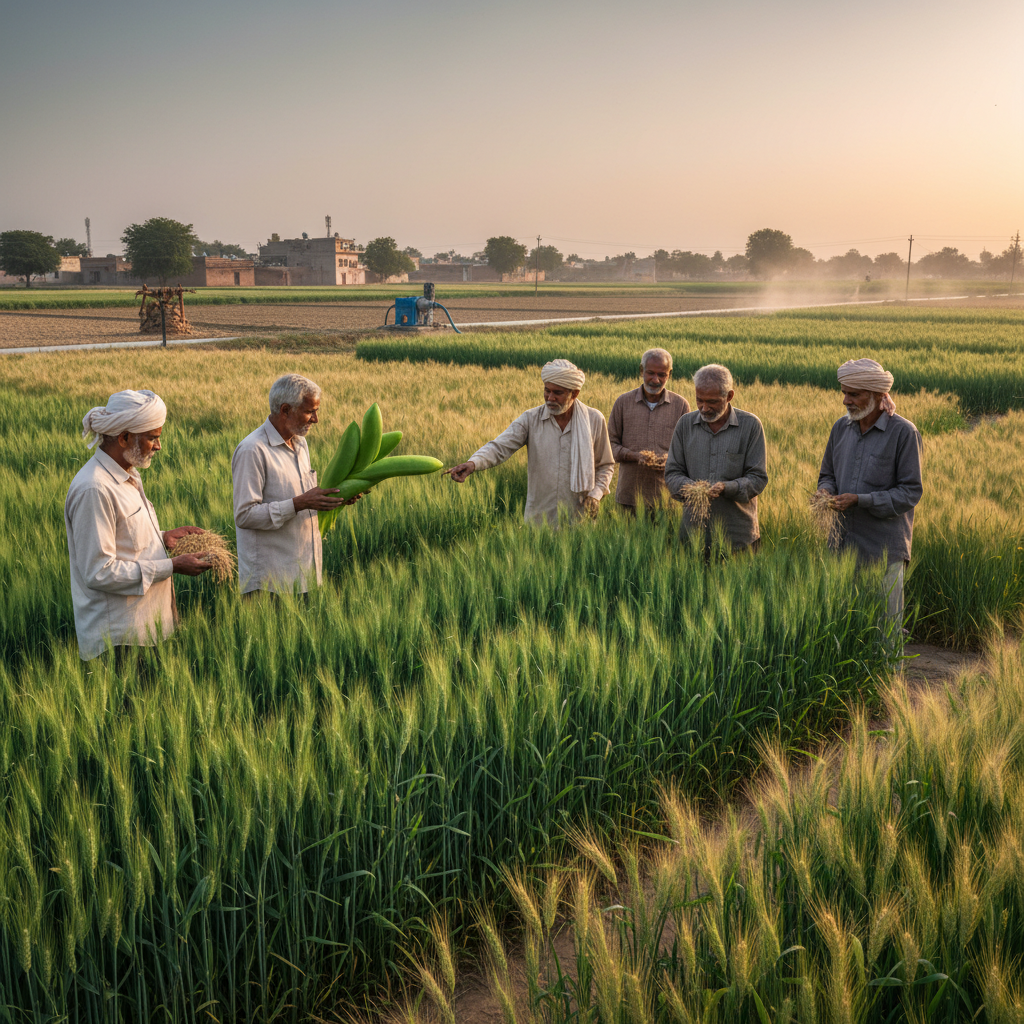
The key to this transformation lay in the introduction of high-yielding varieties (HYVs) of seeds, particularly for wheat and rice. These HYVs, developed by scientists like Dr. M.S. Swaminathan (often hailed as the “Father of the Green Revolution” in India), and Norman Borlaug (who won the Nobel Peace Prize for his work), promised significantly higher yields than traditional varieties. These new seeds, however, required more than just fertile soil; they needed controlled irrigation, chemical fertilizers, and pesticides to reach their full potential.
## Key Players and Government Initiatives
The Indian government played a crucial role in fostering the Green Revolution. Under the leadership of Prime Minister Indira Gandhi, the government implemented policies to support the adoption of HYVs and provide farmers with the necessary resources. This included investing in irrigation infrastructure, subsidizing fertilizers and pesticides, and establishing agricultural research institutions. The Food Corporation of India (FCI) was established in 1965 to guarantee the purchase of grains at a minimum support price (MSP), providing farmers with a safety net and encouraging investment in new technologies.
Dr. M.S. Swaminathan’s pioneering work in developing and promoting HYVs was instrumental to the success of the Green Revolution. He collaborated with international organizations and scientists, including Norman Borlaug, to introduce and adapt these high-yielding varieties to Indian conditions. His vision extended beyond simply increasing yields; he also advocated for sustainable farming practices and the empowerment of smallholder farmers.
## The Impact: A Bountiful Harvest
The impact of the Green Revolution on India was nothing short of revolutionary. The adoption of HYVs, along with increased irrigation and the use of fertilizers and pesticides, led to a dramatic increase in food production, particularly in the states of Punjab, Haryana, and Western Uttar Pradesh. Wheat and rice production soared, transforming India from a nation dependent on food imports to one that was self-sufficient and even an exporter.
This increase in agricultural productivity had a profound impact on the Indian economy. Farmers’ incomes rose, leading to improved living standards in rural areas. The agricultural sector’s growth also stimulated other sectors of the economy, creating employment opportunities in manufacturing and services. The Green Revolution helped eliminate recurring famines and brought food security to millions.
## The Darker Side: Unintended Consequences
While the Green Revolution undoubtedly achieved its primary goal of increasing food production, it also brought with it a series of unintended consequences that continue to shape Indian agriculture today.
Environmental Degradation
One of the most significant downsides of the Green Revolution has been its impact on the environment. The intensive use of chemical fertilizers and pesticides has led to soil degradation, water pollution, and the depletion of groundwater resources. The over-extraction of groundwater, particularly in states like Punjab and Haryana, has caused water tables to plummet, threatening the long-term viability of agriculture in these regions. Monoculture practices, where the same crop is grown repeatedly on the same land, have reduced biodiversity and made agricultural ecosystems more vulnerable to pests and diseases.
Social and Economic Disparities
The benefits of the Green Revolution were not evenly distributed across all sections of society. Large landowners and wealthier farmers, who had the resources to invest in HYVs, irrigation, and fertilizers, benefited the most. Smallholder farmers, on the other hand, often struggled to compete, leading to increased income inequality and rural poverty. The shift to capital-intensive agriculture also displaced agricultural laborers and led to a decline in employment opportunities for some. This is where the importance of finding the perfect job comes in, especially for people starting off in their careers.
Health Hazards
The heavy reliance on chemical inputs during the Green Revolution has also raised concerns about public health. Farmers exposed to pesticides and fertilizers have suffered from various health problems, including respiratory issues, skin conditions, and even cancer. The presence of chemical residues in food and water has also raised concerns about consumer safety.
## The Path Forward: Towards an “Evergreen Revolution”
Recognizing the challenges posed by the Green Revolution, there is a growing emphasis on adopting sustainable agricultural practices to ensure the long-term health of India’s agricultural systems and the environment. This includes:
* **Promoting organic farming:** Reducing the use of chemical fertilizers and pesticides and encouraging the use of organic alternatives.
* **Integrated pest management (IPM):** Employing a combination of methods to control pests, including biological control, cultural practices, and the judicious use of pesticides.
* **Water conservation techniques:** Implementing efficient irrigation methods like drip irrigation and rainwater harvesting to conserve water resources.
* **Agroforestry:** Integrating trees and shrubs into agricultural landscapes to improve soil fertility, conserve water, and enhance biodiversity.
The concept of an “Evergreen Revolution,” championed by Dr. M.S. Swaminathan, emphasizes the need for sustainable and environmentally friendly agricultural practices to ensure productivity in perpetuity without ecological harm.
## The Green Revolution in 2026: A Contemporary Perspective
In 2026, the legacy of the Green Revolution continues to shape the Indian agricultural landscape. The country has achieved food self-sufficiency, but the challenges of environmental degradation, water scarcity, and social inequality persist. Policy makers, scientists, and farmers are working together to address these issues and create a more sustainable and equitable agricultural system. The focus is shifting towards:
* **Promoting climate-resilient crops:** Developing and adopting crop varieties that can withstand the impacts of climate change, such as droughts and floods.
* **Supporting smallholder farmers:** Providing smallholder farmers with access to resources, technology, and training to improve their livelihoods.
* **Investing in agricultural research and development:** Continuing to invest in research and development to improve crop yields, develop sustainable farming practices, and address emerging challenges.
* **Promoting sustainable food systems:** Encouraging the production and consumption of diverse, nutritious foods to ensure food security and improve public health.
The Green Revolution was a pivotal moment in India’s history. While it successfully averted famine and increased food production, its long-term impact is a complex mix of achievements and challenges. As India looks towards the future, it must learn from the lessons of the past and embrace sustainable agricultural practices to ensure food security, protect the environment, and promote social equity.
## Frequently Asked Questions (FAQ)
1. **What were the main goals of the Green Revolution in India?**
The primary goals were to increase food production, reduce dependence on food imports, and eliminate food shortages and famines, particularly in the face of a rapidly growing population.
2. **Who is considered the “Father of the Green Revolution” in India?**
Dr. M.S. Swaminathan is widely recognized as the “Father of the Green Revolution” in India.
3. **What were the key technologies introduced during the Green Revolution?**
The Green Revolution introduced high-yielding varieties (HYVs) of wheat and rice, along with increased irrigation, chemical fertilizers, and pesticides.
4. **What were some of the negative consequences of the Green Revolution?**
Negative consequences include environmental degradation (soil erosion, water depletion, pollution), social and economic disparities (increased income inequality), and health hazards (exposure to pesticides).
5. **How has the Green Revolution impacted the environment?**
The Green Revolution led to soil degradation, water scarcity, and pollution due to the overuse of chemical fertilizers and pesticides and unsustainable irrigation practices.
6. **What is the “Evergreen Revolution”?**
The “Evergreen Revolution” is a concept promoted by Dr. M.S. Swaminathan, which emphasizes the need for sustainable and environmentally friendly agricultural practices to ensure long-term productivity without ecological harm.
7. **What are some sustainable agricultural practices being adopted in India today?**
These include organic farming, integrated pest management (IPM), water conservation techniques, and agroforestry.
8. **How is the Indian government addressing the challenges of the Green Revolution?**
The government is promoting sustainable agricultural practices, supporting smallholder farmers, investing in research and development, and promoting climate-resilient crops.