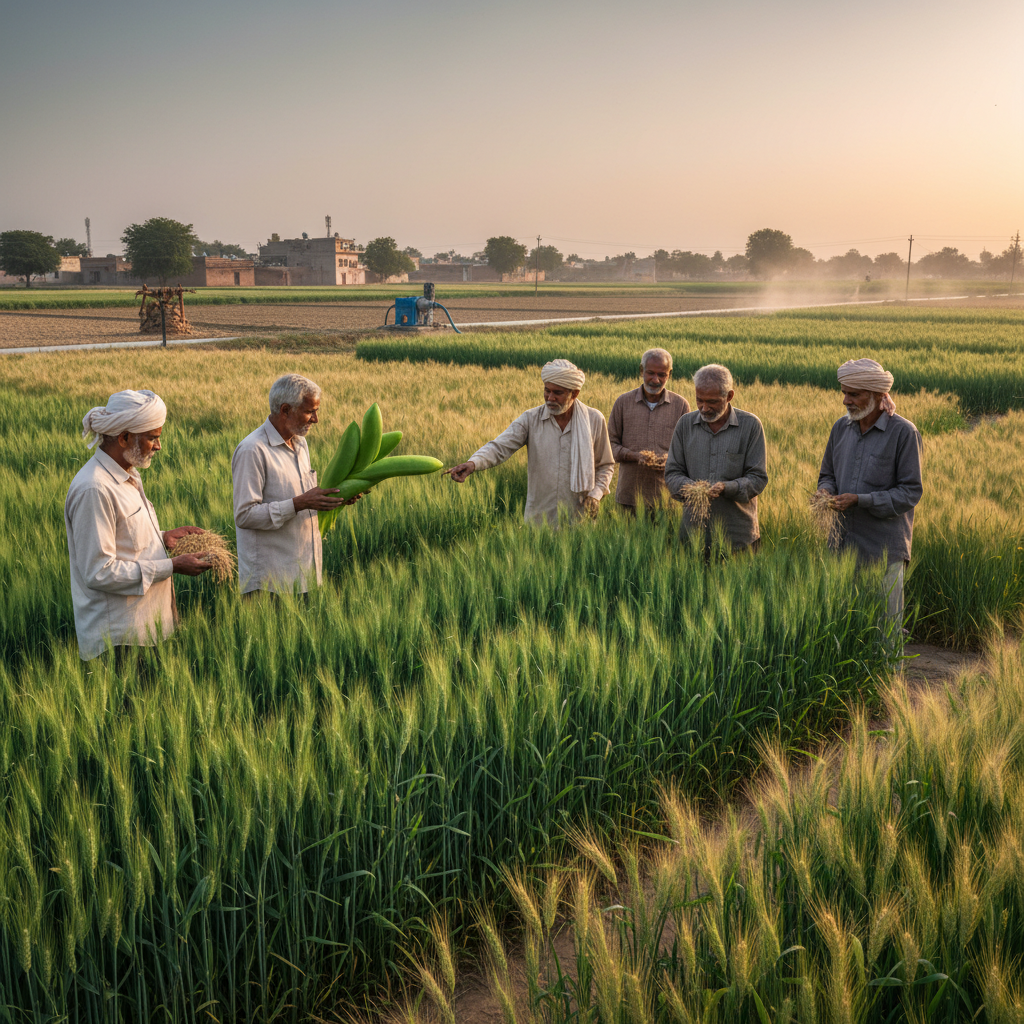
The digital age has ushered in unprecedented opportunities, transforming how we live, work, and interact. Yet, beneath the veneer of progress lies a stark reality: a digital divide that separates those with access to technology and the internet from those without. This chasm isn’t just about owning a smartphone or having Wi-Fi; it’s about access to education, economic opportunities, healthcare, and participation in the very fabric of society. This article delves deep into the multifaceted nature of the digital divide, exploring its causes, consequences, and potential solutions, with a keen eye on the Indian context and global implications.

What is the Digital Divide? More Than Just a Lack of Internet
At its core, the digital divide refers to the gap between individuals, households, businesses, and geographic areas with and without access to information and communication technologies (ICTs) and the associated benefits. While often simplified to mean internet access, the digital divide encompasses much more. It includes:
- Access to Infrastructure: This encompasses the availability of reliable and affordable internet connectivity, including broadband, mobile data, and other forms of digital infrastructure. It also includes access to devices like computers, smartphones, and tablets.
- Digital Literacy: The ability to use digital technologies effectively. This involves the skills and knowledge needed to navigate the internet, use software applications, and understand digital information. This is where many people begin to struggle.
- Affordability: The cost of internet access and digital devices, which can be a significant barrier for low-income households and individuals.
- Relevance: This is the availability of locally relevant content and services that meet the needs of diverse populations. It’s not enough to have internet access if the information available isn’t in your language or addresses your specific needs.
- Cultural and Social Factors: These factors include attitudes toward technology, the digital divide, and the availability of support networks and digital training programs.
The digital divide isn’t a static problem. It evolves constantly, with new technologies and inequalities emerging. In the early 2000s, it might have been about owning a computer. Today, it’s about access to high-speed internet, advanced devices, and the digital literacy to leverage these tools effectively. The gap is widening, not shrinking, for many segments of the population.
The Deep Roots of Inequality: Factors Fueling the Divide
The digital divide is not merely a technological problem; it’s deeply interwoven with social, economic, and political inequalities. Several factors contribute to this persistent gap:
- Socioeconomic Status: Income inequality is a primary driver. Low-income families often struggle to afford the devices, internet access, and digital literacy training needed to participate fully in the digital world. This is particularly true in developing countries like India, where a significant portion of the population lives on a low income.
- Education: Lack of education can hinder digital literacy. Those with lower levels of education may lack the skills and confidence to use technology effectively, further exacerbating the digital divide.
- Geography: Rural areas often lag behind urban areas in terms of internet infrastructure and access. This “digital geography” creates significant disparities in access to information, education, and economic opportunities.
- Age: Older adults may face challenges in adopting new technologies due to a lack of familiarity and sometimes, a reluctance to learn.
- Gender: In many societies, women have less access to technology and digital skills training than men, leading to a gender-based digital divide.
- Disability: People with disabilities may face barriers to accessing digital technologies due to a lack of accessible hardware, software, and online content.
- Language: The dominance of English on the internet can exclude those who don’t speak the language, limiting their access to information and resources.
These factors often intersect, creating a complex web of disadvantage. For instance, a low-income individual in a rural area with limited education and no access to a computer lab faces a multitude of barriers to digital inclusion.
The Far-Reaching Consequences: Impact Across Sectors
The digital divide has profound consequences across various aspects of life:
- Education: Students without internet access or digital literacy skills are at a disadvantage in today’s education system. They may struggle to complete assignments, access online resources, and participate in online learning opportunities. The digital divide is becoming a barrier to academic success.
- Employment: Digital skills are increasingly essential for finding and keeping jobs. Those without these skills may face limited employment opportunities and lower wages.
- Healthcare: Telemedicine, online health information, and digital health records are transforming healthcare. Those without internet access or digital literacy may be unable to access these services, leading to poorer health outcomes.
- Economic Development: Access to digital technologies can boost economic growth by enabling businesses to connect with customers, access information, and participate in global markets. The digital divide hampers economic development, particularly in developing countries.
- Civic Engagement: The internet is a vital tool for civic engagement, allowing people to access information, participate in online discussions, and connect with their elected officials. Those without access to the internet are often excluded from these important processes.
- Social Inclusion: The digital divide can lead to social isolation and marginalization, as those without access to digital technologies are cut off from online communities and social networks.
The impact of the digital divide extends far beyond individual experiences, affecting communities and societies as a whole. It’s a systemic issue that requires a holistic approach to address.
The Indian Context: Challenges and Opportunities
India presents a unique case study in the digital divide, grappling with significant disparities in internet access, digital literacy, and affordability. While India has made substantial progress in expanding internet connectivity, particularly through mobile data, many challenges remain:
- Rural-Urban Divide: The digital divide is particularly stark in India, with significantly lower internet penetration in rural areas compared to urban centers.
- Affordability: The cost of internet access and digital devices remains a barrier for many, especially low-income households.
- Digital Literacy: A large segment of the Indian population lacks the digital skills needed to use the internet effectively. This is where education and training play a massive role.
- Language Barriers: The dominance of English content online excludes many Indians who primarily speak regional languages.
- Infrastructure Gaps: Uneven distribution of broadband infrastructure and limited access to reliable electricity in some areas hamper internet access.
However, India also presents tremendous opportunities for bridging the digital divide:
- Digital India Initiative: The Indian government’s “Digital India” initiative aims to improve digital infrastructure, promote digital literacy, and provide digital services to citizens.
- Mobile Internet: The widespread adoption of mobile phones has expanded internet access, particularly in rural areas.
- Growing Digital Ecosystem: India has a thriving digital ecosystem with numerous startups, tech companies, and online services that can help bridge the digital divide.
- Focus on Local Languages: Initiatives to promote content in regional languages are expanding access to information and services.
The future of India’s digital landscape hinges on addressing the challenges of the digital divide and leveraging the opportunities it presents. This includes investing in digital infrastructure, promoting digital literacy, and ensuring that digital services are accessible and affordable to all citizens.
Global Perspectives: Lessons from Around the World
The digital divide is a global challenge, and various countries have adopted different strategies to address it:
- United States: The US government has invested heavily in broadband infrastructure and digital literacy programs, with a particular focus on rural areas and underserved communities.
- European Union: The EU has launched various initiatives to promote digital inclusion, including funding for digital skills training, support for affordable internet access, and measures to promote online accessibility for people with disabilities.
- South Korea: South Korea has one of the highest rates of internet penetration in the world, achieved through investments in high-speed internet infrastructure and policies promoting digital literacy.
- Rwanda: Rwanda has made significant strides in bridging the digital divide through government initiatives to expand internet access, promote digital literacy, and create a supportive digital ecosystem.
These examples highlight the importance of government leadership, public-private partnerships, and a holistic approach that addresses the various dimensions of the digital divide. Each country faces unique challenges, and the most effective solutions are often tailored to the specific context.
Bridging the Gap: Potential Solutions and Strategies
Addressing the digital divide requires a multifaceted approach, involving governments, the private sector, civil society, and individuals. Some key strategies include:
- Investing in Infrastructure: Expanding broadband infrastructure, particularly in rural and underserved areas, is crucial. This involves investing in fiber optic cables, wireless networks, and other technologies.
- Promoting Affordability: Making internet access and digital devices more affordable through subsidies, tax breaks, and other measures.
- Enhancing Digital Literacy: Providing digital literacy training programs for all segments of the population, including children, adults, and seniors.
- Creating Relevant Content: Developing content and services in local languages that meet the needs of diverse communities.
- Promoting Digital Inclusion in Education: Integrating digital technologies into education at all levels, ensuring that all students have access to devices, internet, and digital literacy training.
- Encouraging Public-Private Partnerships: Fostering collaboration between governments, the private sector, and civil society to address the digital divide.
- Addressing Policy and Regulatory Barriers: Creating policies that promote digital inclusion, such as net neutrality regulations and data privacy laws.
- Raising Awareness: Educating the public about the importance of digital inclusion and the consequences of the digital divide.
It’s important to remember that there is no single solution to the digital divide. The most effective strategies will vary depending on the specific context and the needs of the communities being served.
The Future is Digital: Preparing for the Years Ahead
As technology continues to evolve, the digital divide will likely change. The emergence of new technologies, such as artificial intelligence (AI), the Internet of Things (IoT), and virtual reality (VR), will create new opportunities and challenges. To prepare for the future, it’s essential to:
- Focus on Future-Proofing Skills: Emphasizing skills like critical thinking, problem-solving, and adaptability that are essential for navigating the changing digital landscape.
- Promote Digital Citizenship: Educating people about online safety, data privacy, and ethical use of technology.
- Address the Ethical Implications of Technology: Considering the ethical implications of AI, algorithmic bias, and other emerging technologies.
- Foster Innovation: Encouraging innovation in digital technologies that can address the digital divide and promote social inclusion.
The digital future will be shaped by those who have access to technology and the skills to use it effectively. Bridging the digital divide is not just a matter of social justice; it’s essential for ensuring that everyone can participate in the opportunities of the digital age. This is the very essence of Infosprout, which seeks to improve digital awareness.
FAQ: Your Burning Questions Answered
Here are some frequently asked questions about the digital divide, providing insights for exam preparation and general understanding:
1. What is the difference between the “digital divide” and “digital inclusion”?
The digital divide describes the gap between those with and without access to digital technologies, while digital inclusion refers to the goal of ensuring that everyone can participate fully in the digital world. Digital inclusion is the process of bridging the digital divide.
2. How does the digital divide affect education?
Students without internet access or digital literacy skills face a significant disadvantage in education. They may struggle to complete assignments, access online resources, and participate in online learning opportunities. This can lead to lower grades, decreased educational attainment, and limited future opportunities. This is one of the more devastating effects of the digital divide.
3. What role does the government play in bridging the digital divide?
Governments play a crucial role by investing in digital infrastructure, providing digital literacy training, promoting affordable internet access, and creating policies that support digital inclusion. Government leadership and funding are essential for addressing the digital divide effectively.
4. Are mobile phones a solution to the digital divide?
Mobile phones have expanded internet access, particularly in developing countries. They offer a more affordable and accessible alternative to traditional computers. However, mobile devices may not be sufficient for all needs, such as accessing complex websites, or completing certain types of work, and digital literacy training is still essential.
5. How can individuals contribute to bridging the digital divide?
Individuals can contribute by volunteering to teach digital literacy, donating used devices, advocating for policies that promote digital inclusion, and supporting organizations working to bridge the digital divide.
6. What are the key skills needed to succeed in the digital age?
Besides basic computer and internet skills, essential skills include digital literacy, information literacy, critical thinking, problem-solving, communication, and adaptability. These skills are crucial for navigating the changing digital landscape and succeeding in education, employment, and civic life.
7. How is AI impacting the digital divide?
AI can both exacerbate and help bridge the digital divide. AI-powered tools can provide personalized learning experiences, improve access to information, and automate tasks. However, AI also requires digital skills and access to technology, potentially widening the gap for those who lack these resources.
8. What are some of the biggest challenges in bridging the digital divide in India?
Some of the biggest challenges include the rural-urban divide, the affordability of internet access, the need for enhanced digital literacy, language barriers, and infrastructure gaps. Addressing these challenges requires a concerted effort from the government, the private sector, and civil society.