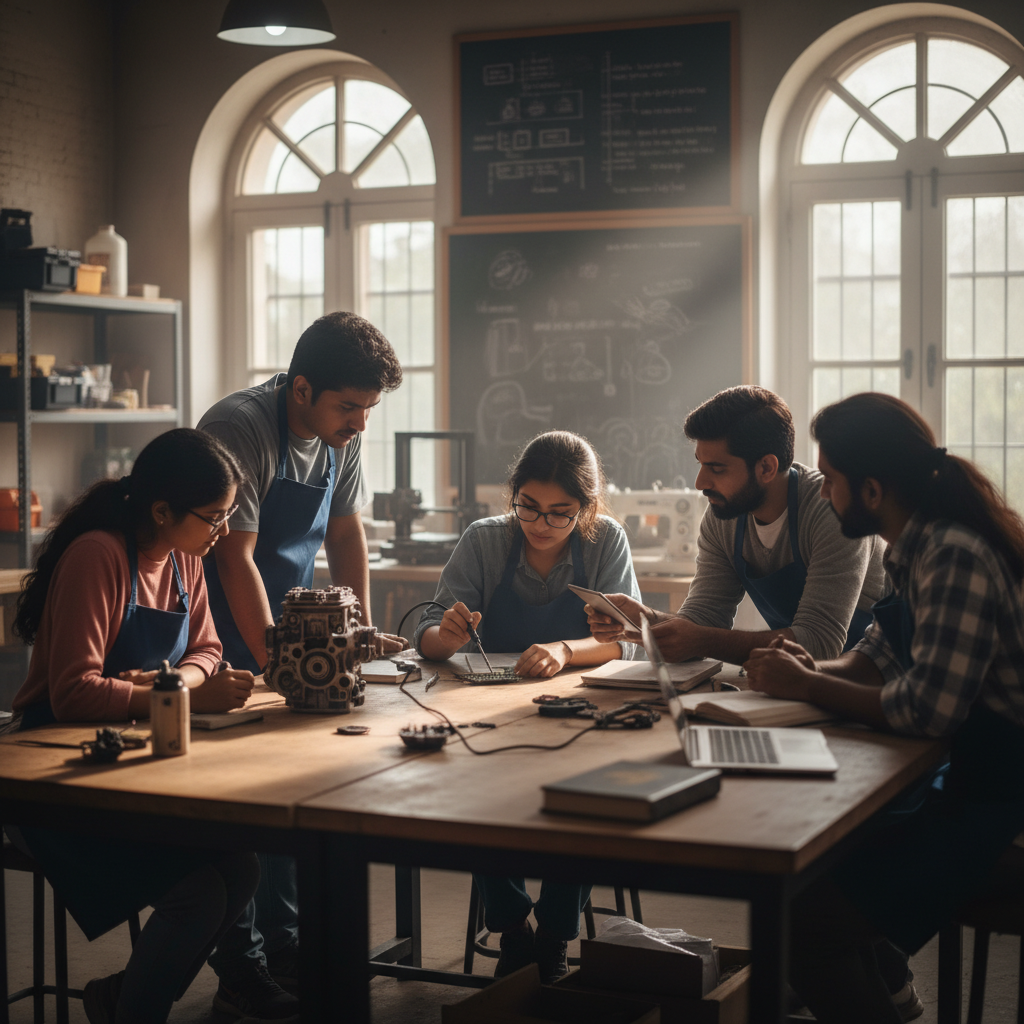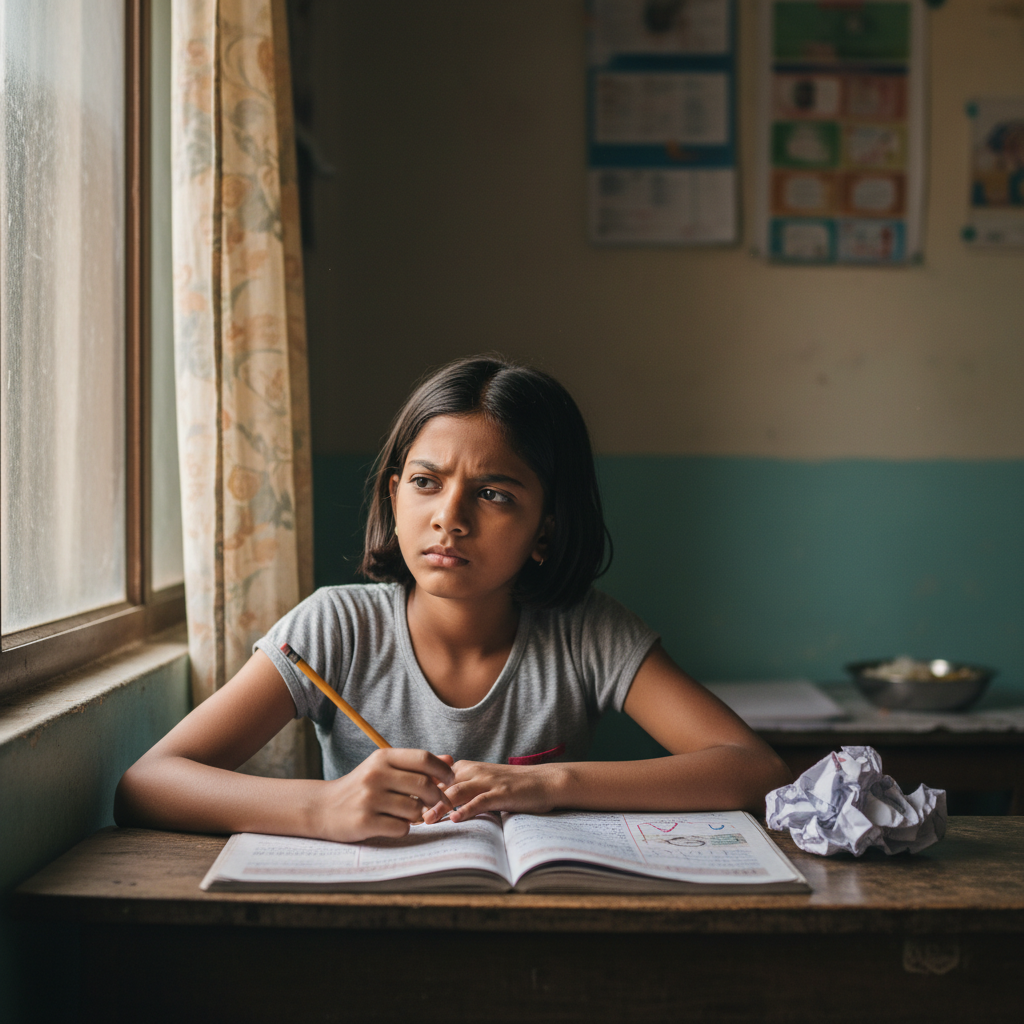
The relentless pressure. The endless cycle of tests. The fear of not measuring up. For Indian students, the path through education can feel like a high-stakes obstacle course. But what if we shifted our focus from simply navigating the system to building something far more valuable: resilience and resourcefulness? These aren’t just buzzwords; they’re the secret weapons that will equip students to thrive, not just survive, in a rapidly changing world.
The Crushing Weight of Expectations
I’ve seen it countless times in my years working with students. The weight of expectations – from parents, teachers, and society – is often immense. It starts early. “Get good grades.” “Get into a top school.” “Choose a ‘safe’ career.” This pressure cooker environment can stifle curiosity and creativity, leading to anxiety, burnout, and a fear of failure. Students become so focused on achieving specific outcomes that they lose sight of the joy of learning and the power of exploration.
This isn’t just a modern problem. It’s woven into the fabric of the Indian education system. The emphasis on rote memorization and standardized testing often prioritizes conformity over critical thinking. The fear of failing an exam can be crippling. I remember a student, let’s call him Rohan, who was brilliant in many ways. But the constant pressure to perform well in his board exams completely consumed him. He lost sleep, his appetite vanished, and he became withdrawn. His grades suffered, ironically, despite his immense potential. This is a classic example of how the system, with its intense focus on marks, can inadvertently damage a student’s innate resilience.
What Resilience Really Means (And Why It Matters)
Resilience isn’t about being immune to challenges. It’s about bouncing back from them. It’s the ability to adapt, learn from setbacks, and keep moving forward, even when things get tough. In a world characterized by constant change, technological advancements, and economic uncertainty, resilience is not just a desirable trait; it’s a necessity.
Think about the skills that will be crucial in the future. Problem-solving, critical thinking, adaptability, and emotional intelligence. These are the building blocks of resilience. They’re not easily taught through textbooks or memorization. They’re cultivated through experience, reflection, and a supportive environment.
Unfortunately, our education system sometimes inadvertently undermines resilience. By focusing on grades and test scores, we often create a culture where failure is seen as a sign of weakness, rather than an opportunity for growth. We need to shift the narrative and celebrate effort, perseverance, and the ability to learn from mistakes.
Resourcefulness: The Art of Making the Most
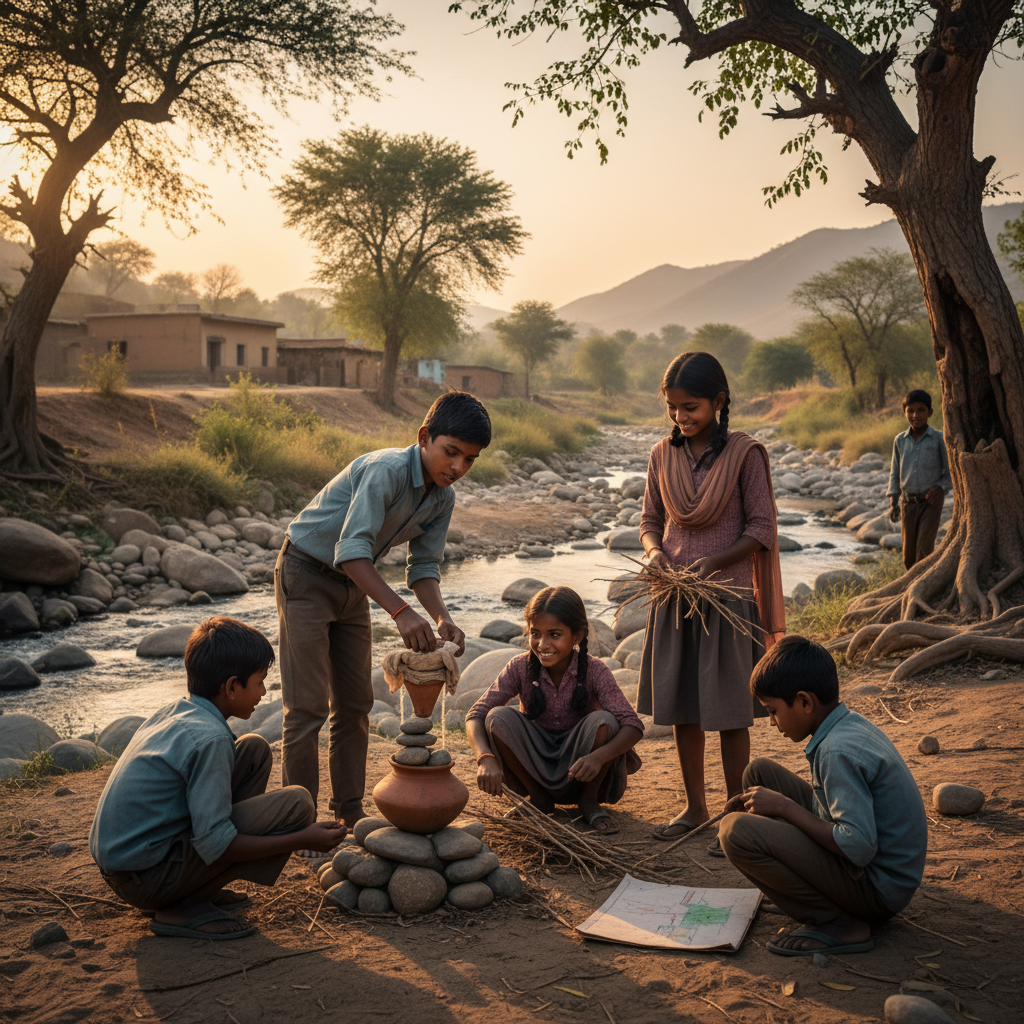
Resourcefulness is closely linked to resilience. It’s the ability to find creative solutions to problems, to make the most of available resources, and to think outside the box. This is a crucial skill in a world where access to information is readily available, but the ability to synthesize, analyze, and apply that information is what truly matters.
I often tell my students that the world isn’t looking for people who can simply regurgitate information. It’s looking for individuals who can use their knowledge and skills to solve complex problems and create innovative solutions. Resourcefulness is the key to unlocking this potential. It’s about recognizing opportunities, identifying connections, and making the most of what you have, whether it’s limited time, resources, or support.
How Parents Can Foster Resilience and Resourcefulness
Parents play a vital role in nurturing resilience and resourcefulness in their children. Here are some practical steps they can take:
- Encourage a Growth Mindset: Help your child understand that intelligence and abilities are not fixed. Encourage them to embrace challenges, learn from mistakes, and see effort as the path to mastery. Celebrate the process, not just the outcome.
- Provide a Supportive Environment: Create a safe space where your child feels comfortable taking risks and expressing themselves. Listen to their concerns, offer encouragement, and provide emotional support.
- Foster Independence: Encourage your child to take ownership of their learning and decision-making. Give them opportunities to solve problems independently and to make choices, even if they sometimes make mistakes.
- Teach Problem-Solving Skills: Help your child develop critical thinking skills by asking questions, encouraging them to analyze situations, and exploring different solutions.
- Model Resilience: Children learn by observing. Show them how you handle challenges and setbacks. Let them see you persevere, learn from your mistakes, and adapt to changing circumstances.
- Limit Pressure and Competition: Avoid putting undue pressure on your child to achieve high marks or to outperform their peers. Focus on their individual growth and development.
How Schools Can Cultivate Resilience and Resourcefulness
Schools also have a critical role to play in cultivating these essential skills:
- Embrace Experiential Learning: Move beyond rote memorization and incorporate hands-on activities, projects, and real-world experiences that allow students to apply their knowledge and develop problem-solving skills.
- Promote Critical Thinking: Encourage students to question assumptions, analyze information, and form their own opinions.
- Foster Collaboration: Create opportunities for students to work together, share ideas, and learn from each other. Collaboration is essential for developing communication, teamwork, and problem-solving skills.
- Emphasize Failure as a Learning Opportunity: Create a school culture where mistakes are seen as opportunities for growth, rather than as failures.
- Provide Opportunities for Self-Reflection: Encourage students to reflect on their learning experiences, identify their strengths and weaknesses, and develop strategies for improvement.
- Offer Counseling and Support: Provide access to counselors and support services to help students cope with stress, anxiety, and other challenges.
Common Mistakes to Avoid
Here are some common mistakes that can hinder the development of resilience and resourcefulness:
- Over-protecting Children: Shielding children from all challenges and setbacks prevents them from developing the skills they need to cope with adversity.
- Focusing Solely on Grades: Prioritizing grades over the development of essential skills can create a culture of anxiety and discourage risk-taking.
- Providing All the Answers: Instead of giving children the answers, guide them to find their own solutions.
- Discouraging Risk-Taking: Discouraging children from taking risks prevents them from learning and growing.
- Ignoring Mental Health: Failing to address students’ mental health needs can undermine their ability to cope with challenges.
The Long-Term Impact: Beyond the Classroom and Career
The benefits of cultivating resilience and resourcefulness extend far beyond the classroom and the early years of a career. These skills are essential for navigating the complexities of life, building strong relationships, and achieving personal fulfillment.
A resilient and resourceful individual is better equipped to:
- Handle Stress and Anxiety: They can cope with pressure, manage their emotions, and bounce back from setbacks.
- Adapt to Change: They are comfortable with uncertainty and can adjust to new situations and challenges.
- Solve Problems: They can think critically, find creative solutions, and make effective decisions.
- Build Strong Relationships: They can communicate effectively, collaborate with others, and navigate conflicts.
- Achieve Personal Fulfillment: They can pursue their goals with passion, overcome obstacles, and find meaning in their lives.
In short, resilience and resourcefulness are not just about academic success or career advancement. They are about building a strong foundation for a fulfilling and meaningful life. This is the ultimate goal of education.
The Future of Education: A Shift in Focus
The future of education will likely see a significant shift in focus, moving away from rote memorization and standardized testing towards personalized learning, skill-based assessment, and the development of essential life skills like resilience and resourcefulness. Technology will play a key role, providing access to a vast array of resources and tools that can be used to foster creativity, collaboration, and problem-solving.
Imagine classrooms where students are encouraged to explore their interests, pursue their passions, and develop their unique talents. Where failure is seen as a stepping stone to success, and where learning is a lifelong journey of discovery. This is the future we need to build for our students.
Frequently Asked Questions
Here are some common questions I get from students and parents, along with my perspective:
- How can I help my child deal with exam stress?
First, acknowledge their feelings and validate their concerns. Encourage healthy habits like sufficient sleep, a balanced diet, and regular exercise. Help them develop effective study strategies, time management skills, and coping mechanisms like mindfulness or deep breathing exercises. Create a supportive environment where they feel comfortable talking about their anxieties. - Is it okay if my child doesn’t get top marks?
Absolutely. Academic success is not solely defined by grades. Focus on your child’s effort, perseverance, and growth. Celebrate their achievements, both big and small. Help them understand that learning is a process, and mistakes are opportunities to learn and improve. - How important is coaching/tuition?
Coaching can be helpful, but it’s not a guaranteed path to success. The effectiveness of coaching depends on the quality of the coaching, the student’s learning style, and their commitment. Don’t rely on coaching as a quick fix. Prioritize understanding concepts, developing strong study habits, and seeking help when needed. - How do I help my child choose a career?
Encourage your child to explore their interests and passions. Help them research different career options and consider their skills, values, and personality. Expose them to real-world experiences through internships, volunteer work, or shadowing professionals. Remember, the ‘perfect’ career is a myth. The ability to adapt and learn is more important than a specific degree. See The Hidden Costs of Chasing the Dream Job: A Reality Check for Your Career for further insights. - What if my child is struggling in school?
Don’t panic. First, communicate openly with your child and their teachers to understand the challenges. Identify any learning gaps and provide appropriate support. Consider seeking help from a tutor, counselor, or educational psychologist. Remember that every child learns at their own pace. - How can I teach my child to be more resourceful?
Encourage problem-solving. Give them age-appropriate challenges and let them try to find their own solutions. Provide access to resources and tools, but resist the urge to give them all the answers. Encourage them to be curious, ask questions, and explore different possibilities. - How important is it to balance academics with other activities?
It’s crucial. Extracurricular activities, hobbies, and social interactions contribute to a child’s overall development, and can also cultivate resilience. These activities help to build skills that are just as important as the ones acquired in the classroom. - Is there a magic formula for success in education?
No. There’s no one-size-fits-all formula. Success in education depends on a combination of factors, including a student’s innate abilities, their effort, their support system, and their learning environment. The key is to find what works best for each individual student and to focus on their overall growth and development.
The journey through education is a marathon, not a sprint. By focusing on cultivating resilience and resourcefulness, we can empower our students to not just survive the challenges they face, but to thrive and build a future filled with opportunity and purpose. The focus should always be on the holistic development of the child, not just on their performance in the classroom.