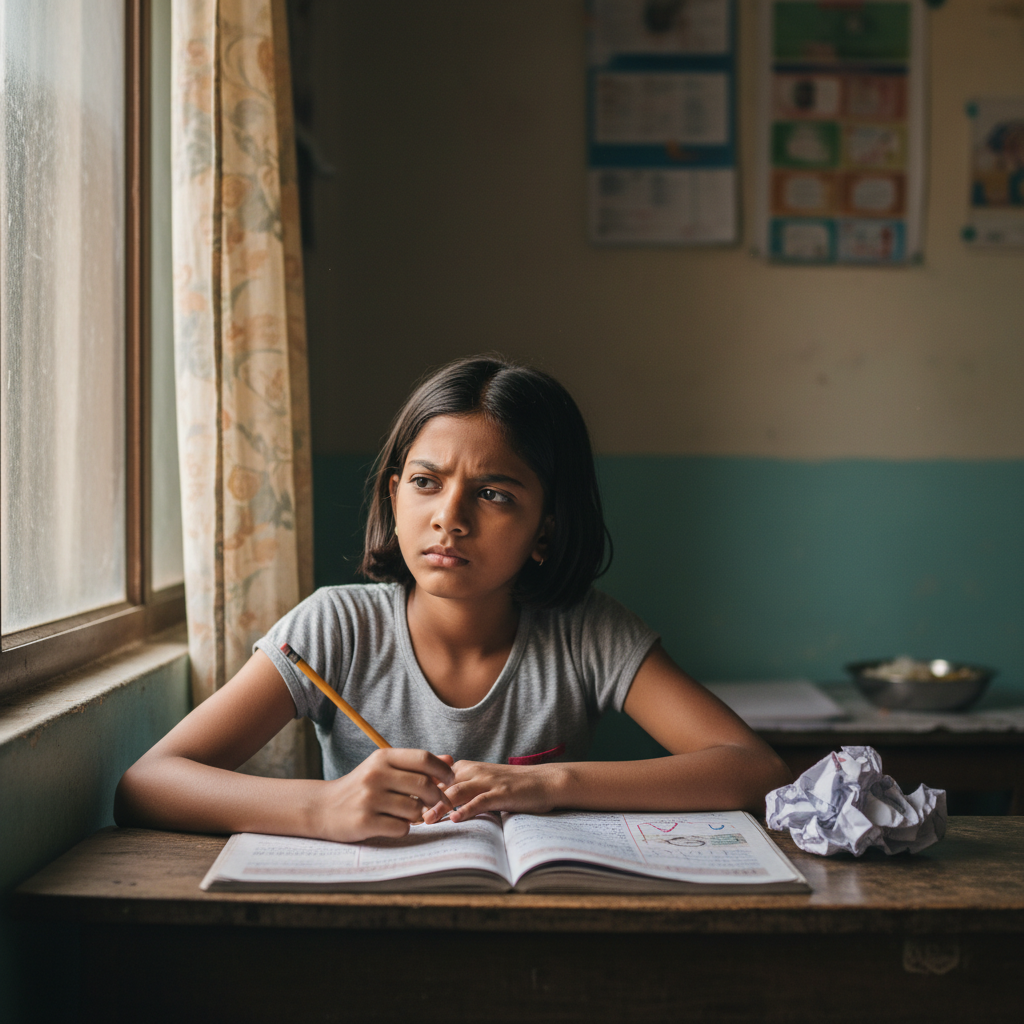
Let’s be honest. In the Indian education system, the pressure to perform well in exams is immense. From the early years, the focus often seems to be on memorization – cramming facts, formulas, and historical dates. This approach, known as rote learning, might help students score well on tests, but does it truly equip them for the challenges of the future? As a mentor with over two decades of experience, I’ve seen firsthand how this can create a generation of students who can *regurgitate* information but struggle to *apply* it.

The real issue begins when students are unable to connect what they learn in the classroom to real-world scenarios. They may ace a physics test, yet falter when asked to explain how those principles apply to everyday technology. They might know the dates of the Mughal Empire but struggle to analyze the historical context and its impact on modern India. This is where most students struggle, and this is what we need to address.
The Problem with Rote Learning
Rote learning, while seemingly efficient for quick memorization, has significant drawbacks. It often:
- Hampers Critical Thinking: Encourages students to memorize information without understanding the underlying concepts.
- Limits Long-Term Retention: Information learned through rote memorization is often forgotten soon after the exam.
- Stifles Creativity: Discourages students from exploring different perspectives and innovative solutions.
- Fosters Anxiety: The pressure to memorize vast amounts of information can lead to stress and a fear of failure.
While rote learning may offer short-term benefits, it fails to cultivate the skills that are essential for long-term success, such as problem-solving, analytical thinking, and adaptability. These are the skills that will matter most in the rapidly evolving world.
How Education *Actually* Works
Education is not just about memorizing facts; it’s about developing a deep understanding of concepts and their practical applications. It’s about fostering critical thinking, curiosity, and a lifelong love for learning. It’s about:
- Understanding, not just knowing: Grasping the “why” behind the “what.”
- Connecting the dots: Seeing how different concepts relate to each other.
- Applying knowledge: Using what you’ve learned to solve problems and create solutions.
- Adapting and evolving: Being able to learn new things and adapt to changing circumstances.
This is where the focus needs to shift. We need to move beyond the traditional classroom setting and embrace a more holistic approach to learning.
Practical Advice for Students
Here’s what students can do to move beyond rote learning and cultivate a deeper understanding:
- Embrace Active Learning: Instead of passively memorizing, actively engage with the material. Ask questions, take notes, summarize information in your own words, and create mind maps.
- Focus on Understanding Concepts: Don’t just memorize formulas; understand the principles behind them. Seek clarity when concepts are unclear.
- Practice, Practice, Practice: The more you practice, the better you’ll understand and retain the information. Solve problems, work through examples, and apply your knowledge in different contexts.
- Develop Critical Thinking Skills: Read actively and widely, evaluate arguments, and engage in discussions. Question assumptions and analyze different viewpoints.
- Seek Help and Collaboration: Don’t be afraid to ask for help from teachers, classmates, or mentors. Collaborate with others, discuss ideas, and learn from each other.
- Connect to Real-World Applications: Try to relate what you learn in the classroom to real-world examples. This helps to make the material more relevant and interesting.
Practical Advice for Parents
Parents play a crucial role in shaping their child’s learning journey. Here’s how parents can help their children move beyond rote learning:
- Create a Supportive Learning Environment: Encourage curiosity, provide a quiet study space, and foster a positive attitude towards learning.
- Promote Active Learning: Encourage your child to ask questions, explore different perspectives, and engage with the material in a meaningful way.
- Focus on Understanding, Not Just Grades: Emphasize the importance of understanding concepts rather than simply memorizing information for exams.
- Encourage Critical Thinking: Ask open-ended questions, encourage your child to think critically, and help them analyze information.
- Foster a Growth Mindset: Help your child understand that intelligence and abilities can be developed through effort and persistence. Praise effort and perseverance rather than just grades.
- Communicate with Teachers: Stay in regular contact with your child’s teachers to discuss their progress and any challenges they may be facing.
Parents often overlook this, but creating a home environment where learning is valued is crucial. Showing your child that you are also a lifelong learner can make a huge difference.
Common Academic Mistakes to Avoid
Here are some common mistakes students make that hinder their ability to move beyond rote learning:
- Cramming: Last-minute cramming is a recipe for short-term memory and long-term forgetting.
- Passive Reading: Simply reading the textbook without actively engaging with the material.
- Ignoring Concepts: Focusing solely on memorizing facts without understanding the underlying principles.
- Avoiding Practice: Failing to practice the material through problem-solving, examples, or applications.
- Lack of Review: Not reviewing the material regularly to reinforce understanding and retention.
These mistakes reinforce rote learning habits. By avoiding them, students can focus on a deeper level of understanding.
Busting Popular Myths
Let’s debunk some common myths that perpetuate rote learning:
- Myth: High marks = intelligence. Grades are just one measure of performance. True intelligence encompasses critical thinking, creativity, and problem-solving skills, which are not always reflected in marks.
- Myth: Coaching = guaranteed success. Coaching can provide valuable support, but it’s not a substitute for understanding. True success comes from a genuine understanding of the concepts and the ability to apply them.
- Myth: Degree = stable career. A degree is a starting point, but it’s not a guarantee of a stable career. Skills, adaptability, and a willingness to learn are increasingly important in today’s job market.
Long-Term Impact: Mindset, Skills, and Career Growth
Moving beyond rote learning has a profound impact on a student’s long-term success:
- Develops a Growth Mindset: Fosters the belief that abilities can be developed through dedication and hard work.
- Cultivates Critical Thinking Skills: Equips students with the ability to analyze information, solve problems, and make informed decisions.
- Enhances Adaptability: Enables students to learn new skills and adapt to changing circumstances.
- Boosts Career Prospects: Provides the skills and mindset needed to succeed in a rapidly evolving job market.
Modern Relevance: Education in 2026 and Beyond
The education landscape is rapidly changing. In 2026, we see:
- AI-Powered Learning: AI is increasingly used to personalize learning experiences, provide instant feedback, and automate administrative tasks.
- Focus on Skills: There’s a growing emphasis on developing skills like critical thinking, problem-solving, and creativity, alongside traditional academic knowledge.
- Hybrid Learning Models: Blended learning approaches, combining online and in-person instruction, are becoming increasingly common.
- The Future of Work: The skills needed for success in the future are constantly evolving. Adaptability and a willingness to learn are key.
This is where understanding becomes more critical than ever. The ability to apply knowledge, adapt to new situations, and think critically will be the most valuable assets.
Beyond the Hype: How Edge Computing is Quietly Reshaping Our World in 2026, is one example of how the world is rapidly changing, and how the ability to adapt to new technologies and concepts is becoming vital.
Future Outlook
The future of education in India will likely involve:
- Greater Integration of Technology: AI, virtual reality, and other technologies will play an even larger role in the classroom.
- Personalized Learning Paths: AI will enable personalized learning experiences that cater to individual student needs and learning styles.
- Focus on Skill Development: There will be an increased emphasis on developing critical thinking, problem-solving, and other essential skills.
- Emphasis on Lifelong Learning: Education will be viewed as a continuous process, with a focus on lifelong learning and adaptability.
The Infosprout website discusses the need for adaptability and lifelong learning, reflecting the trends in the education system.
FAQ
Here are some frequently asked questions (FAQs) that students and parents often have:
- How can I help my child move beyond rote learning? Encourage active learning, focus on understanding concepts, and foster a growth mindset.
- Is rote learning always bad? No, it can be useful for memorizing basic facts, but it shouldn’t be the primary learning method.
- How important are critical thinking skills? Critical thinking skills are essential for success in academics, career, and life in general.
- What are some signs that my child is struggling with rote learning? Difficulty applying knowledge, lack of interest in the subject, and a reliance on memorization without understanding.
- How can I make learning more interesting for my child? Connect learning to real-world examples, encourage hands-on activities, and foster curiosity.
- What role does technology play in the future of education? Technology will play an increasingly important role, providing personalized learning experiences and access to vast amounts of information.
- How can I support my child’s career aspirations? Encourage them to explore their interests, develop essential skills, and seek guidance from mentors.
- What is the biggest mistake parents make regarding their child’s education? Focusing solely on grades and not on the development of understanding and critical thinking skills.
In conclusion, moving beyond rote learning is crucial for the success of Indian students. By embracing active learning, fostering critical thinking, and focusing on understanding, we can equip students with the skills and mindset they need to thrive in the 21st century.