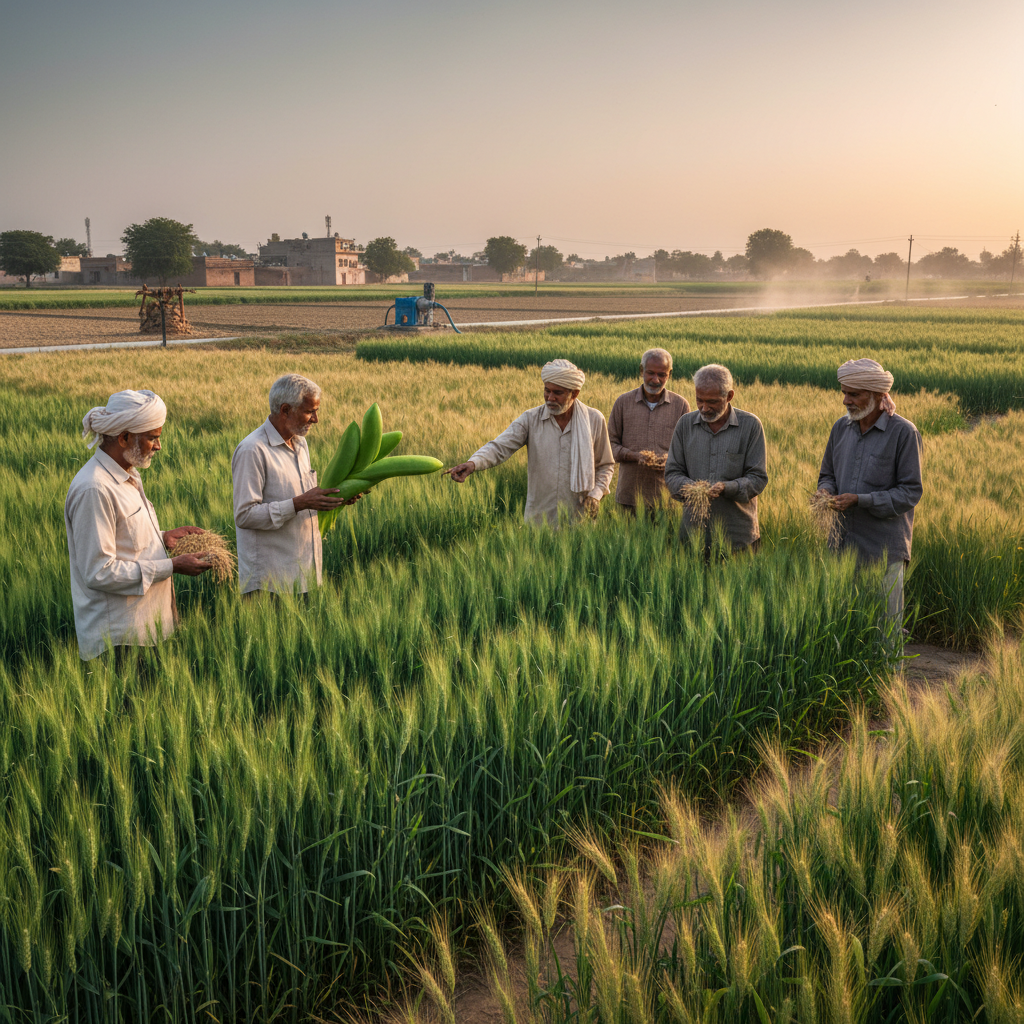
Do you know that a significant percentage of the world’s population faces chronic hunger and malnutrition, even in the 21st century? The Global Hunger Index (GHI) is a crucial tool that provides a comprehensive look at hunger levels worldwide. It’s more than just a ranking; it’s an indicator that reflects the complex interplay of food security, health, and well-being. This article dives deep into the GHI, examining how it works, what it reveals about India, and the steps needed to tackle this pressing global issue.
What is the Global Hunger Index?
The Global Hunger Index is a tool designed to measure and track hunger at the global, regional, and national levels. It’s a peer-reviewed publication, jointly published by Concern Worldwide and Welthungerhilfe. The GHI is calculated annually and offers a multidimensional look at hunger, using a composite index based on four key indicators:
- Undernourishment: This indicator represents the proportion of the population whose caloric intake is insufficient. It reflects the number of people who do not have access to enough food to meet their energy needs.
- Child Wasting: This is the percentage of children under five years old who suffer from wasting, a condition characterized by low weight for their height, often indicating acute malnutrition.
- Child Stunting: This indicator focuses on the percentage of children under five who are stunted, meaning they are too short for their age, often due to chronic malnutrition.
- Child Mortality: This represents the mortality rate of children under five years of age, reflecting the health and nutritional status of the population.
These indicators are combined to produce a GHI score, ranging from 0 to 100, where 0 represents no hunger and 100 indicates the worst possible hunger situation. The GHI score is classified into severity categories, from low to extremely alarming, providing a clear picture of hunger levels in different countries and regions.
What many people overlook is that the GHI is not just a snapshot of hunger; it also serves as an advocacy tool, highlighting the areas where action is most needed. By tracking changes in GHI scores over time, it helps to monitor progress and identify trends in global and regional hunger.
India’s Position in the Global Hunger Index
India’s performance in the GHI has often been a topic of debate and concern. Over the years, India’s GHI scores have fluctuated, reflecting the complex challenges it faces in addressing hunger. While there have been improvements, the country continues to grapple with significant hunger issues.
The GHI reports consistently highlight India’s high child wasting and stunting rates as major concerns. These indicators reflect underlying issues such as poor sanitation, lack of access to clean water, and inadequate healthcare facilities. Additionally, despite significant improvements, India still has a considerable proportion of its population that is undernourished.
What many people do not know is that India’s ranking in the GHI is often lower than what might be expected, considering the country’s economic growth and advancements in various sectors. This disparity underscores the importance of addressing the specific challenges that contribute to hunger, such as inequality, poverty, and inadequate food distribution. The deeper impact becomes visible when we consider how these factors interact with each other.
Causes of Hunger in India
Understanding the root causes of hunger in India is crucial for developing effective strategies to combat it. The issue is multifaceted, with several interconnected factors contributing to the problem.
- Poverty and Inequality: Widespread poverty and economic inequality limit access to food for many people. The gap between the rich and the poor affects food security, as those with fewer resources often struggle to afford nutritious meals.
- Agricultural Practices: Traditional agricultural practices and reliance on rainfall can lead to low yields, particularly during droughts. This, in turn, affects the availability and affordability of food.
- Food Distribution and Access: Inefficient food distribution systems and a lack of access to markets can result in food shortages, especially in rural areas.
- Malnutrition and Health: High rates of malnutrition, particularly among children and women, are both a cause and a consequence of hunger. Poor health affects the body’s ability to absorb nutrients, creating a vicious cycle.
- Climate Change: Changing climate patterns, including erratic rainfall and extreme weather events, are increasingly impacting agricultural production, leading to crop failures and food insecurity.
These issues are interconnected, creating a complex challenge that requires a multifaceted approach. Addressing hunger in India requires focusing on improving agricultural practices, ensuring equitable access to resources, and strengthening public health and nutrition programs.
Government Initiatives and Programs to Fight Hunger
The Indian government has implemented several programs and initiatives aimed at combating hunger and improving food security. These programs are essential in ensuring that the most vulnerable populations have access to food.
- National Food Security Act (NFSA): The NFSA provides subsidized food grains to a large portion of the population. This helps to ensure that people can access essential food items, particularly those with low incomes.
- Mid-Day Meal Scheme: The Mid-Day Meal Scheme provides free lunches to school children. This program not only ensures that children receive adequate nutrition but also encourages school attendance.
- Integrated Child Development Services (ICDS): The ICDS program provides services such as supplementary nutrition, health check-ups, and preschool education for children under six years of age.
- Public Distribution System (PDS): The PDS distributes essential commodities at subsidized rates through a network of fair price shops. This system plays a crucial role in making food available and affordable for those in need.
- Pradhan Mantri Garib Kalyan Anna Yojana (PM-GKAY): This scheme provides free food grains to millions of people. It was introduced during the COVID-19 pandemic to help the poor and vulnerable cope with economic hardships.
These initiatives, if implemented effectively, can significantly improve food security and reduce hunger levels. However, it’s crucial to address the challenges related to implementation, such as corruption and inefficiencies, to ensure that the benefits reach the intended beneficiaries.
Global Perspective: The Bigger Picture
While this article focuses on India, it’s important to understand that hunger is a global issue. Many other countries face severe hunger problems, and the factors contributing to hunger often overlap across regions.
Conflict and political instability are major drivers of hunger in many parts of the world. Wars and civil unrest disrupt food production, displace populations, and create conditions of chronic food insecurity. Climate change also poses a significant threat, impacting agricultural productivity and increasing the frequency of extreme weather events, such as droughts and floods.
The global food system itself plays a crucial role. Issues such as food waste, unequal access to resources, and the impact of global trade policies on local food systems contribute to hunger. The deeper impact becomes visible when we consider how these global factors interact.
Understanding the global context is essential for developing effective strategies to combat hunger. International cooperation, sustainable agricultural practices, and policies that promote food security are necessary to address the issue on a global scale.
Future Outlook and Challenges
Looking ahead, several factors will shape the future of hunger. Climate change will continue to pose a significant threat to agricultural production, requiring adaptation strategies and innovative solutions. Technological advancements, such as precision farming and genetic modification, have the potential to boost yields and improve food security.
The role of policy and governance will be crucial. Governments need to implement policies that support sustainable agriculture, ensure fair trade practices, and promote access to food for all. Additionally, strengthening social safety nets and addressing the root causes of poverty and inequality will be essential.
The deeper impact becomes visible when we consider how these factors interact. The future of hunger will depend on coordinated efforts from governments, international organizations, and civil society to address the complex challenges. Success will require a commitment to sustainable practices, policy reforms, and global cooperation.
Conclusion
The Global Hunger Index provides a valuable framework for understanding the complex issue of hunger. While India has made progress, significant challenges remain. By addressing the root causes of hunger, strengthening government initiatives, and adopting a global perspective, India can work towards improving its GHI score and ensuring that all its citizens have access to adequate, nutritious food. The path forward requires a multi-faceted approach, incorporating sustainable agricultural practices, effective policies, and international cooperation.
In the context of competitive exams, understanding the GHI is essential. Questions can focus on the indicators, India’s performance, government programs, and global trends. Candidates should be able to analyze the data, identify the key challenges, and suggest possible solutions. It is crucial to stay updated with the latest GHI reports and analyze their implications for India and the world.
This is where confusion usually begins for many exam aspirants. They often miss out on the practical aspects. However, remember that your ability to connect the concepts to real-world scenarios will set you apart. For instance, the discussion on poverty and inequality directly links to current events and government policies. A holistic understanding is key, ensuring that you grasp the interconnectedness of food security, health, and economic well-being.
FAQ Section
Here are some frequently asked questions (FAQs) about the Global Hunger Index and related topics, designed to enhance your understanding for exam preparation:
1. What is the Global Hunger Index (GHI) and why is it important?
The GHI is a tool used to measure and track hunger levels worldwide. It’s important because it provides a comprehensive picture of hunger based on several key indicators and helps to highlight areas where action is most needed. For exams, remember the indicators and the categories.
2. What are the main indicators used to calculate the GHI?
The GHI is calculated using four main indicators: undernourishment, child wasting, child stunting, and child mortality. Understanding these indicators and what they represent is essential for exam preparation.
3. What are the key challenges in addressing hunger in India?
The key challenges include poverty and inequality, agricultural practices, food distribution issues, malnutrition, and the impact of climate change. Understanding these challenges is crucial for tackling related questions in exams.
4. How does India’s performance compare to other countries in the GHI?
India’s ranking in the GHI often reflects a mix of progress and persistent challenges. While there have been improvements, India still faces significant issues, particularly concerning child wasting and stunting. Keep an eye on recent GHI reports.
5. What are some of the key government initiatives to combat hunger in India?
Some major government initiatives include the National Food Security Act (NFSA), Mid-Day Meal Scheme, Integrated Child Development Services (ICDS), Public Distribution System (PDS), and Pradhan Mantri Garib Kalyan Anna Yojana (PM-GKAY). Knowing these programs is essential for exams.
6. What is the impact of climate change on hunger?
Climate change impacts agricultural production through erratic rainfall, droughts, and extreme weather events, leading to crop failures and reduced food availability. Expect questions on this in exams.
7. How can individuals contribute to reducing hunger?
Individuals can contribute by supporting local farmers, reducing food waste, donating to food banks, and advocating for policies that promote food security. Such questions are useful for essay writing.
8. Where can one find the most recent GHI reports and data?
The latest GHI reports and data are available on the websites of Concern Worldwide and Welthungerhilfe. Make sure you are updated with the most current data for exam purposes. You can also explore Infosprout for more insights.