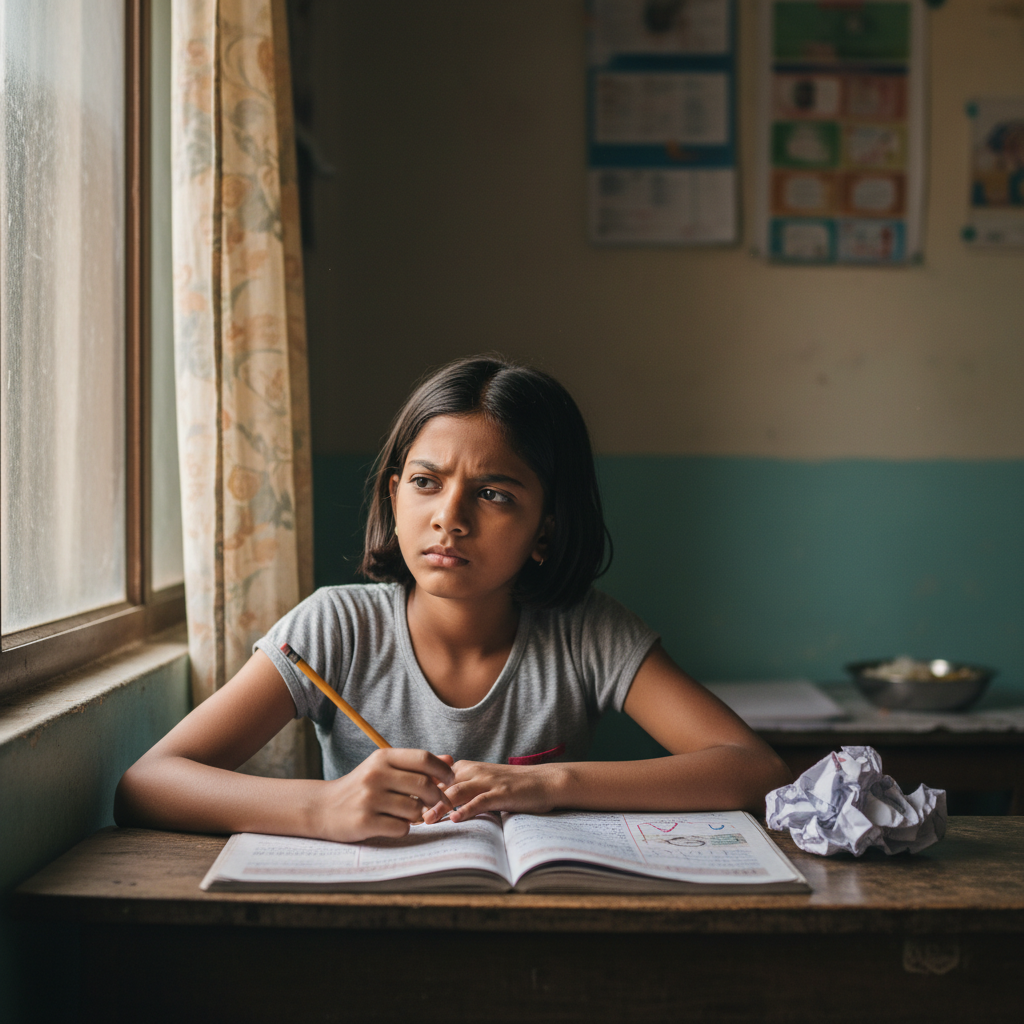
Let’s be honest. If you’re a student today, social media is probably as essential to your life as breathing. It’s where you connect with friends, stay updated on trends, and, yes, maybe procrastinate a little (or a lot!). But beyond the memes and the endless scroll, social media is quietly revolutionizing the world of education. It’s a double-edged sword, though, and understanding both edges is crucial for navigating the modern learning landscape. I’ve seen firsthand how it can both empower and derail students, and today, I’ll share my insights.
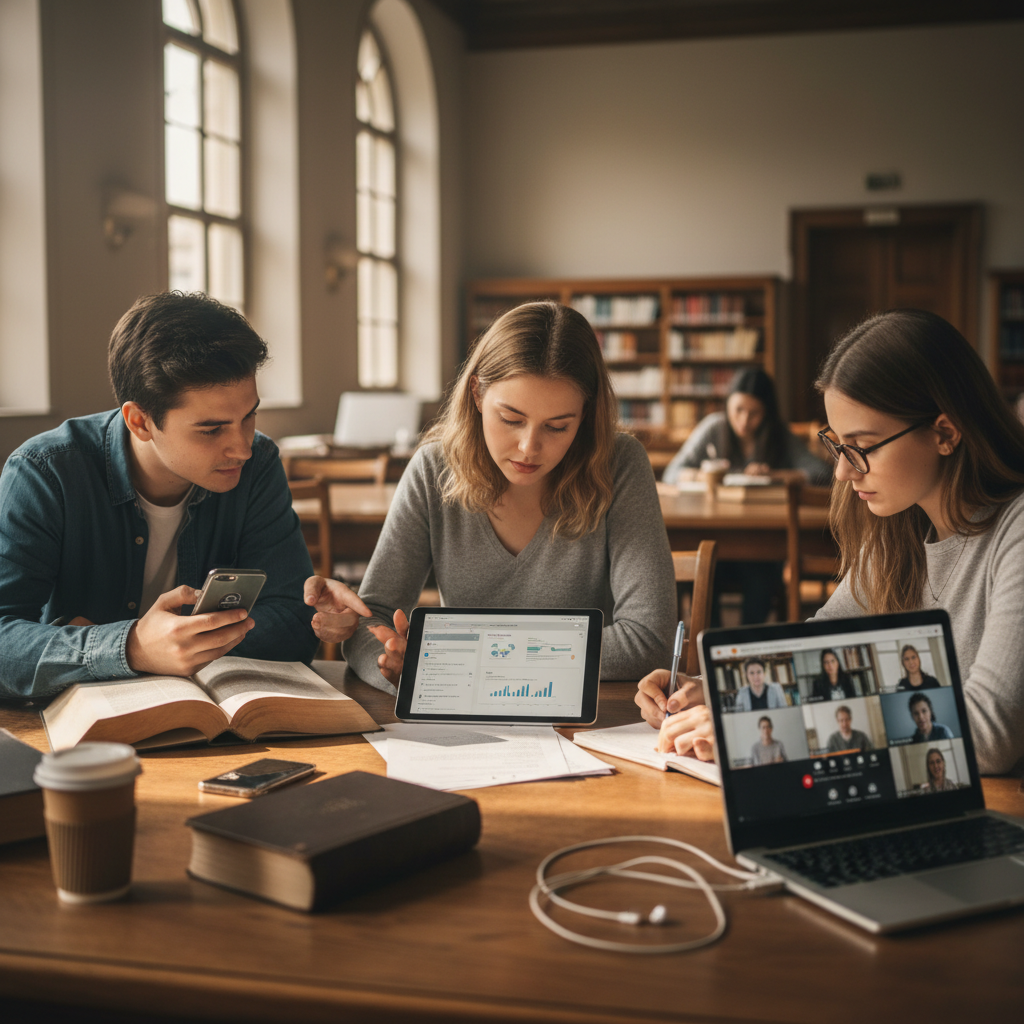
The Good Side: Social Media as a Super-Powered Study Buddy
Forget dusty textbooks and monotonous lectures. Social media offers a dynamic, interactive, and often, far more engaging way to learn. Here’s how it’s changing the game:
- Instant Access to Information: Need to understand the French Revolution? A quick search on YouTube, and you’ve got dozens of videos, from short explainers to in-depth documentaries. Platforms like Khan Academy and Coursera offer free courses and resources that were unimaginable a generation ago.
- Collaborative Learning: Social media platforms allow students to form study groups, share notes, and collaborate on projects, no matter where they are. Tools like Google Classroom and Edmodo have social features that enable real-time collaboration. Imagine a virtual classroom where discussions never end, and learning is a continuous, shared experience.
- Breaking Down Barriers: Social media connects students with educators and experts worldwide. Students can ask questions, get immediate feedback, and gain insights from diverse perspectives. This is especially beneficial for those in remote areas or with limited access to traditional resources.
- Developing Essential Skills: Mastering social media isn’t just about likes and comments. It requires critical thinking, digital literacy, and the ability to evaluate information – all vital skills for the 21st-century workplace.
I remember a student, let’s call him Rohan, who was struggling with complex physics concepts. He found a dedicated physics forum on Reddit, where he connected with students and even a few professors. He started explaining concepts to others to solidify his understanding. His grades improved dramatically, and he developed a genuine passion for the subject. This is the power of social media when used intentionally.
The Dark Side: When the Scroll Becomes a Trap
The constant stream of updates, notifications, and curated content can be a major distraction. Here’s where things can go wrong:
- The Time-Vampire: Social media is designed to be addictive. Endless scrolling, checking notifications, and comparing yourself to others can eat up hours that could be spent studying or pursuing other interests.
- Mental Health Concerns: The pressure to project a perfect image, the fear of missing out (FOMO), and the prevalence of cyberbullying can all take a toll on mental health. I’ve seen bright, capable students crumble under the weight of social media-induced anxiety.
- Misinformation Overload: The internet is awash with fake news and unreliable information. Students need to develop strong critical thinking skills to discern fact from fiction. It’s a skill that takes time and effort to build.
- Reduced Face-to-Face Interaction: While online interaction is important, over-reliance on social media can lead to a decline in essential social skills and the ability to communicate effectively in person.
I recall another student, Priya, who became obsessed with social media. Her grades plummeted, and she isolated herself from her friends and family. The constant comparison with others, the pressure to maintain a perfect online persona, led to deep insecurity and depression. This is the tragic side of social media, and it’s a stark reminder of the importance of balance.
Navigating the Maze: Practical Advice for Students and Parents
So, how do you harness the power of social media while avoiding its pitfalls? Here’s my advice, based on years of observing students and parents navigate this digital world:
For Students:
- Set Boundaries: This is non-negotiable. Establish time limits for social media use. Use app timers, and stick to them. Treat it like a scheduled activity, not a free-for-all.
- Curate Your Feed: Unfollow accounts that make you feel bad about yourself. Follow accounts that inspire you, educate you, and uplift you. Choose wisely the content you consume.
- Use it Intentionally: Don’t just mindlessly scroll. Actively seek out educational content, join study groups, and use it as a tool for learning.
- Prioritize Real-Life Connections: Make time for face-to-face interactions with friends and family. Real-world relationships are crucial for mental well-being and social development.
- Be Critical: Question everything you see online. Cross-reference information, and be wary of sources you don’t recognize.
For Parents:
- Open Communication: Talk to your children about social media. Understand what they’re doing, who they’re interacting with, and what challenges they’re facing.
- Model Good Behavior: Your own social media habits influence your children’s. Show them how to use social media responsibly.
- Encourage Balance: Promote a healthy balance between online and offline activities. Encourage them to pursue hobbies, sports, and other interests.
- Monitor, But Don’t Snoop: Be aware of what your children are doing online, but respect their privacy. Trust is essential.
- Educate About Risks: Teach them about cyberbullying, online safety, and the importance of protecting their personal information.
Common Mistakes to Avoid
Here are some common mistakes I’ve observed students and parents making, and how to avoid them:
- Mistake: Letting Social Media Dictate Your Mood.
Solution: Recognize that what you see online is often a carefully curated version of reality. Don’t let it define your self-worth.
- Mistake: Thinking More Followers = More Success.
Solution: Focus on your goals and your passions, not on online validation. Real success comes from hard work, dedication, and genuine skills.
- Mistake: Ignoring the Warning Signs of Addiction.
Solution: If social media is negatively impacting your life, seek help. Talk to a trusted adult, or consider seeking professional counseling.
- Mistake: Assuming Your Child is Safe Online.
Solution: Have open conversations about online safety, and monitor their activity, but don’t become overly controlling.
- Mistake: Expecting Overnight Results from Social Media.
Solution: Building an audience or network takes time and effort. Stay consistent, and focus on providing value.
This is where most students struggle. The instant gratification, the dopamine hits from likes and comments, make it difficult to focus on long-term goals. They need to develop delayed gratification. It takes time, patience, and a conscious effort to change these behaviors.
The Real Issue: Beyond the Screen
The real issue begins when social media replaces other crucial aspects of a student’s life. Reading a book, playing a sport, spending time with family, or even just daydreaming – all of these contribute to a well-rounded education. The challenge is not just about managing screen time; it’s about fostering a balanced lifestyle.
Parents often overlook this: they get so caught up in controlling screen time that they forget to encourage their children to explore other interests. These interests build confidence, create resilience, and provide a sense of purpose beyond the virtual world.
The Long-Term Impact: Shaping Mindset, Skills, and Career
The way students use social media today shapes their mindset, their skill set, and ultimately, their career prospects. Here’s how:
- Developing a Growth Mindset: Social media can expose students to diverse perspectives and encourage them to embrace challenges. Learning to navigate online criticism and build a positive online presence fosters resilience.
- Building Essential Skills: Effective communication, critical thinking, digital literacy, and the ability to collaborate online are all highly valued in the modern workplace.
- Opening Career Pathways: Social media can be a powerful tool for networking, building a personal brand, and exploring career opportunities. Many companies now actively recruit through platforms like LinkedIn. Check out The Unseen Ladder: Climbing Your Career Without a Clear Path to better understand career options.
The flip side, however, is equally important. Excessive social media use can lead to a fixed mindset, where students become afraid to fail or take risks. It can also create a sense of entitlement, where they expect instant gratification and struggle to cope with setbacks. Infosprout can provide you with more information on careers.
The Future of Education and Social Media (2025-2026)
The integration of social media into education is only going to deepen. Here are some trends to watch:
- Personalized Learning Platforms: AI-powered platforms will use social media data to personalize learning experiences, tailoring content to individual student needs and preferences.
- Virtual and Augmented Reality: Immersive learning experiences will become more common, with social media platforms facilitating collaborative virtual field trips and simulations.
- Emphasis on Digital Literacy: Schools and universities will increasingly focus on teaching students how to critically evaluate information, navigate online platforms, and build a positive digital footprint.
- Rise of the Creator Economy: Students will be encouraged to create and share their own content, fostering creativity, communication skills, and entrepreneurial thinking.
This is where education is headed. It’s a world where technology and human connection intersect, where learning is a dynamic, collaborative, and personalized experience. But it’s also a world that demands a new level of awareness, responsibility, and critical thinking.
Frequently Asked Questions
- How can I reduce my child’s screen time without causing a fight?
Start by setting clear expectations and establishing screen-free zones, such as the dinner table or the bedroom. Involve your child in the process, and negotiate reasonable limits. Focus on finding alternative activities they enjoy.
- Is social media inherently bad for students?
No. It’s a tool, and like any tool, it can be used for good or bad. The key is to use it intentionally, with awareness of its potential pitfalls.
- How do I know if my child is addicted to social media?
Look for signs such as spending excessive time online, neglecting responsibilities, experiencing withdrawal symptoms when not online, and using social media to cope with negative emotions.
- What are some safe social media platforms for students?
There’s no such thing as a completely safe platform. However, platforms designed for educational purposes, like Google Classroom or Edmodo, offer more control and focus on learning.
- How can I help my child build a positive online presence?
Encourage them to share their passions, create valuable content, and engage in respectful online conversations. Teach them about online safety and the importance of protecting their privacy.
- Should I monitor my child’s social media accounts?
Yes, to a certain extent. Be aware of their online activity, but respect their privacy. It’s better to build trust and have open communication than to snoop without their knowledge.
- How can schools use social media effectively?
Schools can use social media to share information, communicate with parents, promote events, and create online learning communities. They should also provide guidance on responsible social media use.
- What if my child is being cyberbullied?
Take it seriously. Gather evidence, report the bullying to the platform, and contact the school or local authorities if necessary. Offer support and reassure your child that they are not alone.
In conclusion, the double-edged scroll of social media is here to stay. Embrace the power of the platform, but do so with caution. The future of education depends on it.