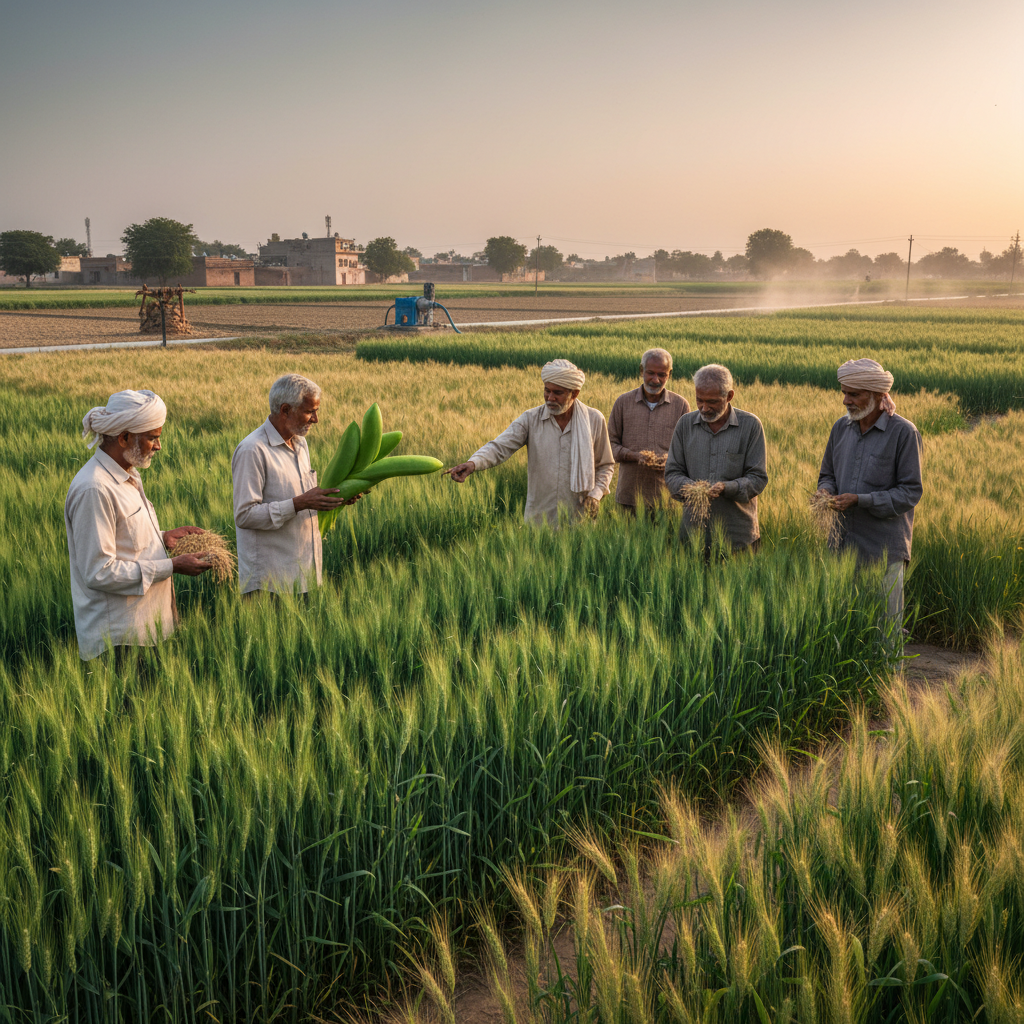
Did you know that the human body is roughly 60% water? This simple fact underscores a fundamental truth: water is the essence of life. Yet, as we stand in 2026, the world grapples with a deepening water crisis, a complex challenge with far-reaching consequences for individuals, communities, and the planet. This isn’t just about droughts in arid regions; it’s a multifaceted problem fueled by climate change, unsustainable practices, and inadequate governance.
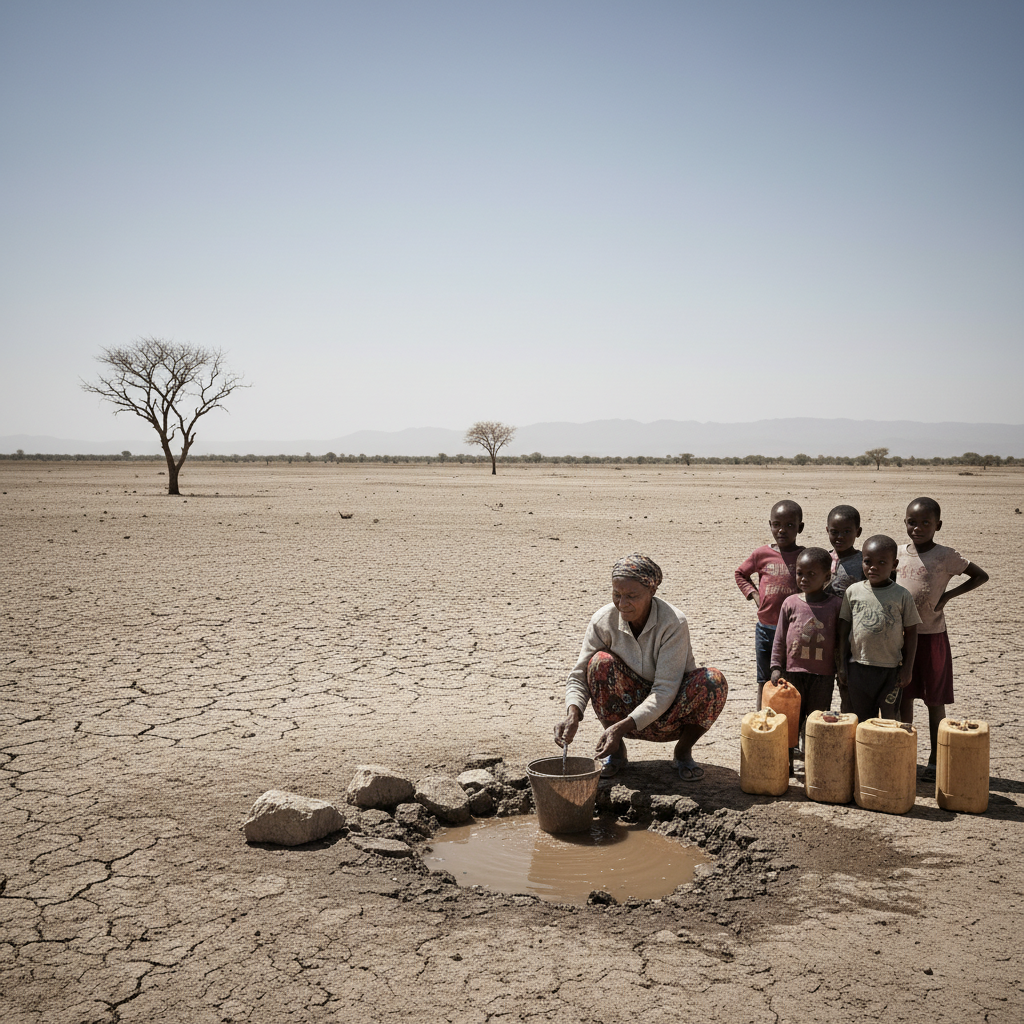
The Alarming Reality: Water Scarcity and Its Impact
The numbers paint a stark picture. According to the United Nations, nearly 2.2 billion people lack access to safely managed drinking water services. Around 4 billion people experience severe water scarcity for at least one month each year. The situation is particularly dire in developing countries, where water scarcity exacerbates poverty, hinders economic development, and threatens public health. It’s estimated that up to 80% of illnesses in the developing world are linked to inadequate water and sanitation.
What many people overlook is the disproportionate impact on women and girls. They often bear the primary responsibility for water collection, spending countless hours each day walking long distances to fetch water, limiting their access to education and economic opportunities.
The deeper impact becomes visible when we consider the connection between water scarcity and food security. Agriculture, the backbone of food production, relies heavily on water. As water resources dwindle, agricultural yields suffer, threatening livelihoods and increasing the risk of malnutrition and famine. It’s estimated that over half the world’s food production is at risk due to water scarcity.
Causes of the Crisis: A Complex Web
The water crisis is not a singular event but the result of interwoven factors:
* **Climate Change:** A warming planet disrupts the water cycle, leading to increased evaporation, altered precipitation patterns, and more frequent and intense extreme weather events like droughts and floods. Changes in rainfall and rising temperatures are also affecting water quality.
* **Population Growth and Urbanization:** A growing global population puts immense pressure on existing water resources. Rapid urbanization leads to increased demand for water for domestic, industrial, and agricultural uses.
* **Unsustainable Water Management:** Poor irrigation practices, inefficient water use in industries, and inadequate infrastructure contribute to water wastage. Over-extraction of groundwater leads to depletion of aquifers, further exacerbating water scarcity.
* **Water Pollution:** Industrial and agricultural runoff, untreated sewage, and improper waste disposal contaminate water sources, making them unsafe for human consumption and damaging aquatic ecosystems.
* **Poor Governance:** Lack of effective water governance, including weak institutions, corruption, and inadequate policies, hinders sustainable water management and equitable access.
The Indian Context: Challenges and Responses
India, with its vast population and diverse geography, faces significant water challenges. Many regions experience water scarcity, and groundwater levels are declining rapidly due to over-extraction. Climate change is further intensifying these challenges, with erratic monsoons and increased instances of droughts and floods.
However, India is also taking steps to address the water crisis. Initiatives like the *Jal Jeevan Mission*, which aims to provide piped water to every rural household, reflect the government’s commitment to improving water access. Other efforts include promoting water conservation, rainwater harvesting, and efficient irrigation techniques. The success of these initiatives hinges on effective implementation, community participation, and long-term planning.
The challenges are considerable, but so is the opportunity to build a more water-secure future.
Sustainable Solutions: A Path Forward
Addressing the global water crisis requires a multi-pronged approach encompassing conservation, efficient water management, and policy changes. Here are some key strategies:
* **Water Conservation:** Implementing water-efficient practices in households, agriculture, and industries is crucial. This includes using low-flow fixtures, fixing leaks, practicing rainwater harvesting, and adopting water-wise landscaping.
* **Sustainable Water Management:** Adopting integrated water resources management (IWRM) principles, which consider the entire water cycle and involve all stakeholders, is essential. This includes protecting water sources, improving water infrastructure, and managing water demand effectively.
* **Water Reuse and Recycling:** Treating and reusing wastewater for irrigation, industrial processes, and other non-potable uses can significantly reduce the demand for freshwater.
* **Improved Irrigation Techniques:** Transitioning to efficient irrigation methods like drip irrigation can minimize water wastage in agriculture.
* **Water Governance Reform:** Strengthening water governance through transparent and accountable institutions, participatory decision-making, and effective policies is vital for ensuring equitable access and sustainable management.
* **Climate Change Mitigation and Adaptation:** Reducing greenhouse gas emissions and adapting to the impacts of climate change are crucial for mitigating the effects on water resources.
* **Public Awareness and Education:** Raising public awareness about the importance of water conservation and sustainable water management is crucial for behavioral change and promoting responsible water use.
What many people overlook is that these solutions are interconnected. For example, water governance reform facilitates the implementation of conservation measures, while climate change adaptation enhances the effectiveness of water management strategies.
Modern Relevance: The Urgency of Now
The water crisis is not a distant threat; it’s a present-day reality with immediate consequences. The COVID-19 pandemic highlighted the importance of access to clean water for hygiene and sanitation. Water scarcity can fuel social unrest and conflict, as seen in various parts of the world. In today’s interconnected world, water scarcity in one region can have ripple effects on global food supplies, trade, and economic stability.
For competitive exams, a thorough understanding of the water crisis is essential. Questions often focus on the causes of water scarcity, its impacts, and the various solutions. Staying informed about government policies, international agreements, and technological innovations related to water management is crucial. Moreover, being aware of the role of individual actions in conserving water is key. For example, being aware of the benefits of *The Silent Struggle: Why Academic Pressure Doesn’t Equal Success (And What To Do Instead)* [cite: Internal Link 1] can indirectly relate to awareness of how the pressure on resources, including water, can affect communities and well-being.
The Future: A Call to Action
The future of water security depends on our collective action. Governments, businesses, communities, and individuals all have a role to play. By embracing sustainable practices, advocating for policy changes, and supporting water-related initiatives, we can create a world where everyone has access to this precious resource. The need for cooperation is a point that *Infosprout* [cite: Internal Link 2] highlights, with its focus on sharing information.
The outlook for the water crisis is concerning, but not hopeless. With increased investments in water infrastructure, and improved practices and governance, the situation could improve.
FAQ Section
Here are some frequently asked questions about the global water crisis:
**1. What is water scarcity?**
Water scarcity refers to a situation where the demand for water exceeds the available supply, either due to physical limitations or inadequate management.
**2. What are the main causes of the global water crisis?**
The main causes are climate change, population growth, unsustainable water management practices, water pollution, and poor governance.
**3. What are the impacts of water scarcity?**
Water scarcity leads to health problems, food insecurity, economic losses, social unrest, and environmental degradation.
**4. How can individuals conserve water?**
Individuals can conserve water by fixing leaks, taking shorter showers, using water-efficient appliances, and practicing water-wise gardening techniques.
**5. What is sustainable water management?**
Sustainable water management involves managing water resources in a way that meets the needs of the present without compromising the ability of future generations to meet their own needs.
**6. What role does climate change play in the water crisis?**
Climate change disrupts the water cycle, leading to altered precipitation patterns, increased evaporation, and more frequent extreme weather events, exacerbating water scarcity.
**7. What is the Jal Jeevan Mission?**
The Jal Jeevan Mission is an Indian government initiative that aims to provide piped water to every rural household in India.
**8. What can I do to help address the global water crisis?**
You can conserve water in your daily life, support organizations working on water-related issues, advocate for policy changes, and educate yourself and others about the importance of water conservation.