Remember the last time your internet went down? Maybe your smart home devices went haywire, your streaming service buffered endlessly, or you couldn’t access crucial work files. In today’s hyper-connected world, we’re all acutely aware of our dependence on a stable and fast internet connection. But what if I told you that a significant shift is happening behind the scenes, one that could make your digital life even smoother, more secure, and more responsive? That shift is called edge computing.
The Core Problem: Distance and Delay
For years, most of our digital lives have revolved around the cloud. Think of the cloud as a massive, centralized data center, often located hundreds or even thousands of miles away from where you are. When you click a button on your phone, watch a video, or interact with an app, your request has to travel to this distant data center, be processed, and then the results have to travel all the way back to you. This round trip introduces latency, or delay, which can make everything feel sluggish.
This delay is manageable for some tasks, like reading an email. But for applications that demand real-time responsiveness, like self-driving cars, virtual reality experiences, or even advanced manufacturing, latency is a killer. Imagine a self-driving car having to send data to a remote server to make a split-second decision; the delay could be catastrophic.
Edge Computing: Bringing the Processing Power Closer
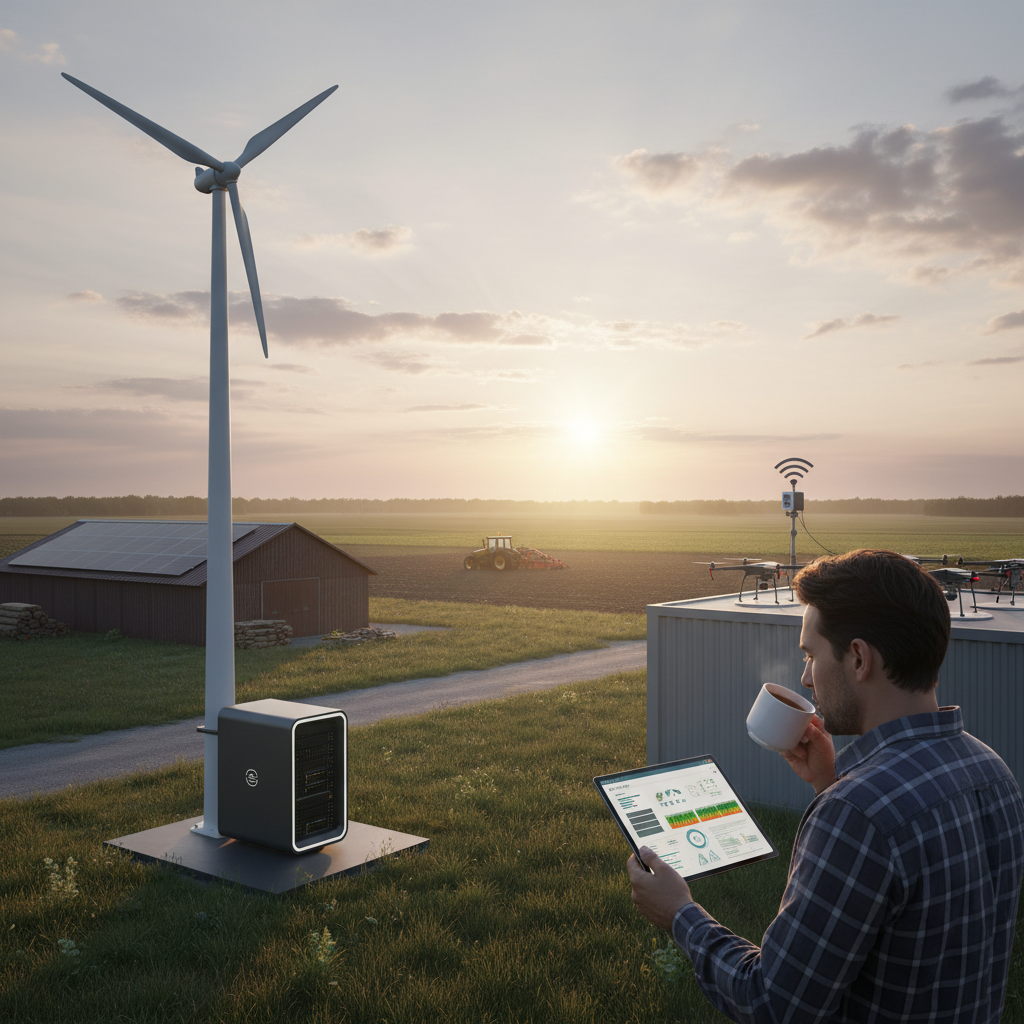
Edge computing is the solution. It’s about bringing the processing power and data storage closer to the source of the data – the “edge” of the network. This could be a factory floor, a smart traffic light, your smartphone, or even a drone. Instead of sending all the data to a distant cloud, edge computing allows some or all of the processing to happen locally, at the edge.
Think of it like this: instead of sending your laundry to a central cleaning facility miles away, you have a washing machine at home. The washing machine (the edge device) processes the “data” (your dirty clothes) immediately, without the delay of a long-distance trip. Edge computing works similarly, enabling faster processing and quicker responses.
How Does Edge Computing Work?
Edge computing isn’t a single technology but rather a collection of technologies and approaches. Here’s a simplified breakdown:
- Edge Devices: These are the physical devices at the edge of the network. Examples include:
- Smartphones and tablets
- Industrial sensors
- Routers and gateways
- Self-driving car computers
- Surveillance cameras
- Edge Servers: These are smaller, more powerful servers located closer to the edge devices. They perform the bulk of the processing.
- Data Processing and Analysis: Data is processed and analyzed either on the edge device itself or on the edge server. This can involve tasks like:
- Filtering and cleaning data
- Running machine learning models
- Making real-time decisions
- Connectivity: Edge computing relies on both wired and wireless connections to transmit data. 5G, Wi-Fi 6, and other advanced connectivity technologies are critical for enabling fast and reliable data transfer to and from edge devices.
Common Misconceptions About Edge Computing
Like any emerging technology, edge computing has its share of myths and misunderstandings:
- Myth: Edge computing will replace the cloud.
- Reality: Edge computing and cloud computing are not mutually exclusive. They complement each other. The cloud remains crucial for tasks that don’t require real-time processing, such as large-scale data storage and complex analytics. Edge computing offloads some of the processing to the edge, reducing latency and bandwidth usage.
- Myth: Edge computing is only for large enterprises.
- Reality: While large companies are leading the way in adopting edge computing, the technology is becoming increasingly accessible to businesses of all sizes. The rise of cloud-based edge platforms and more affordable edge devices makes it easier for smaller companies to harness the power of edge computing.
- Myth: Edge computing is all about speed.
- Reality: Speed is a significant benefit, but edge computing also offers other advantages, such as improved security (by processing sensitive data locally) and reduced bandwidth costs (by sending less data to the cloud).
Real-World Applications: Where Edge Computing is Making a Difference
The applications of edge computing are incredibly diverse and are rapidly expanding. Here are a few examples:
1. Smart Manufacturing
Edge computing is revolutionizing manufacturing. Sensors on the factory floor collect data on equipment performance, product quality, and environmental conditions. This data is processed in real time at the edge, allowing manufacturers to:
- Predict and prevent equipment failures.
- Optimize production processes.
- Improve product quality.
- Reduce downtime and waste.
This helps boost efficiency and helps with the sustainability goals of the manufacturing plant.
2. Autonomous Vehicles
Self-driving cars generate massive amounts of data from sensors, cameras, and radar systems. They need to process this data instantly to make split-second decisions about steering, braking, and navigating. Edge computing enables autonomous vehicles to:
- Process data in real time, reducing the risk of accidents.
- Navigate complex environments.
- Improve safety and reliability.
3. Smart Cities
Cities are becoming “smarter” with the help of edge computing. This includes:
- Smart Traffic Management: Edge-enabled traffic lights can analyze real-time traffic data and adjust signal timings to reduce congestion.
- Smart Waste Management: Sensors in trash cans can alert waste management services when they need to be emptied, optimizing routes and reducing fuel consumption.
- Public Safety: Edge-based surveillance systems can detect threats, identify suspicious behavior, and alert law enforcement in real time.
4. Healthcare
Edge computing is transforming healthcare, enabling:
- Remote Patient Monitoring: Wearable sensors can collect vital signs and other health data, which is processed at the edge to detect potential health problems early on.
- Telemedicine: Edge computing enables faster and more reliable video conferencing for remote consultations and surgeries.
- Improved Diagnostics: Edge-based image analysis can help doctors diagnose diseases more quickly and accurately.
5. Retail
Edge computing is also impacting the retail sector, with uses like:
- Personalized Shopping Experiences: Stores can use cameras and sensors to analyze customer behavior and provide personalized recommendations and offers.
- Inventory Management: Edge-based systems can track inventory levels in real time and automatically reorder products when needed.
- Loss Prevention: Surveillance systems can use edge computing to detect shoplifting and other forms of theft.
Edge Computing in 2025–2026: Trends and Predictions
The edge computing landscape is constantly evolving. Here are some key trends and predictions for the next couple of years:
- The Rise of 5G: 5G networks are crucial for enabling high-speed, low-latency connectivity, which is essential for many edge computing applications. The wider rollout of 5G will accelerate the adoption of edge computing across various industries.
- Edge Computing as a Service (ECaaS): Cloud providers are increasingly offering edge computing services, making it easier for businesses to deploy and manage edge infrastructure. This will accelerate the adoption of edge computing, particularly for smaller companies.
- AI at the Edge: Artificial intelligence and machine learning algorithms are increasingly being deployed on edge devices and servers. This allows for real-time data analysis and decision-making, improving the performance of various applications.
- Focus on Security: With more data being processed at the edge, security is a top priority. Edge computing solutions will need to incorporate robust security measures to protect sensitive data from cyber threats.
- Sustainability: As concerns about climate change grow, edge computing will play a role in promoting sustainability. Edge computing can help to optimize energy consumption in various industries, leading to lower carbon emissions.
The Future of Edge Computing: Innovation and Adoption
The future of edge computing is bright. We can expect to see further innovation in:
- Edge Hardware: Expect to see more powerful, energy-efficient, and compact edge devices and servers.
- Edge Software: There will be continued advancements in edge-specific software, including operating systems, development tools, and security solutions.
- Edge Ecosystems: As edge computing becomes more prevalent, we’ll see the development of robust ecosystems of hardware and software vendors, service providers, and system integrators.
The adoption of edge computing will continue to grow across all industries. As the technology matures, we will see even more innovative applications that improve our lives, enhance business operations, and create new opportunities. Edge computing is set to become an indispensable component of the digital landscape.
This shift to edge computing also aligns with the need to address larger issues, such as the global water crisis, as smart city applications using edge computing can help manage resources more efficiently.
FAQ: Your Edge Computing Questions Answered
Here are some frequently asked questions about edge computing:
- What is the main difference between edge computing and cloud computing?
The primary difference lies in where the data processing happens. Cloud computing processes data on remote servers, while edge computing processes data closer to the source (the “edge”) of the network. This results in lower latency with edge computing.
- What are the benefits of using edge computing?
Edge computing offers several benefits, including reduced latency, improved security, lower bandwidth costs, enhanced reliability, and increased scalability.
- What are some examples of edge devices?
Edge devices include smartphones, tablets, industrial sensors, routers, gateways, self-driving car computers, and surveillance cameras.
- Is edge computing secure?
Edge computing can be very secure, especially when sensitive data is processed locally. However, security is a major consideration, and edge computing solutions must incorporate robust security measures to protect against cyber threats.
- How does edge computing impact businesses?
Edge computing can improve business operations by enabling real-time data analysis, optimizing processes, enhancing customer experiences, and reducing costs. It is applicable to businesses of all sizes.
- What industries are benefiting from edge computing?
A wide range of industries are benefiting from edge computing, including manufacturing, automotive, healthcare, retail, smart cities, and energy.
- What are the challenges of implementing edge computing?
Challenges include the need for specialized hardware and software, the complexity of managing distributed systems, and the importance of ensuring data security and privacy.
- Is edge computing the future of computing?
Edge computing is a crucial component of the future of computing. It is not designed to replace the cloud, but rather to complement it by enabling new applications and improving the performance of existing ones. The rise of edge computing will continue as edge solutions develop and get more streamlined for ease of use.