The year is 2026. Imagine a world where your self-driving car reacts to hazards with split-second precision, your doctor remotely monitors your health with real-time accuracy, and factories operate with near-perfect efficiency. This isn’t science fiction; it’s the promise of edge computing, a technology that’s rapidly transforming how we live, work, and interact with the digital world. But what exactly is edge computing, and why is it so important in today’s tech landscape?
Understanding Edge Computing: A Primer
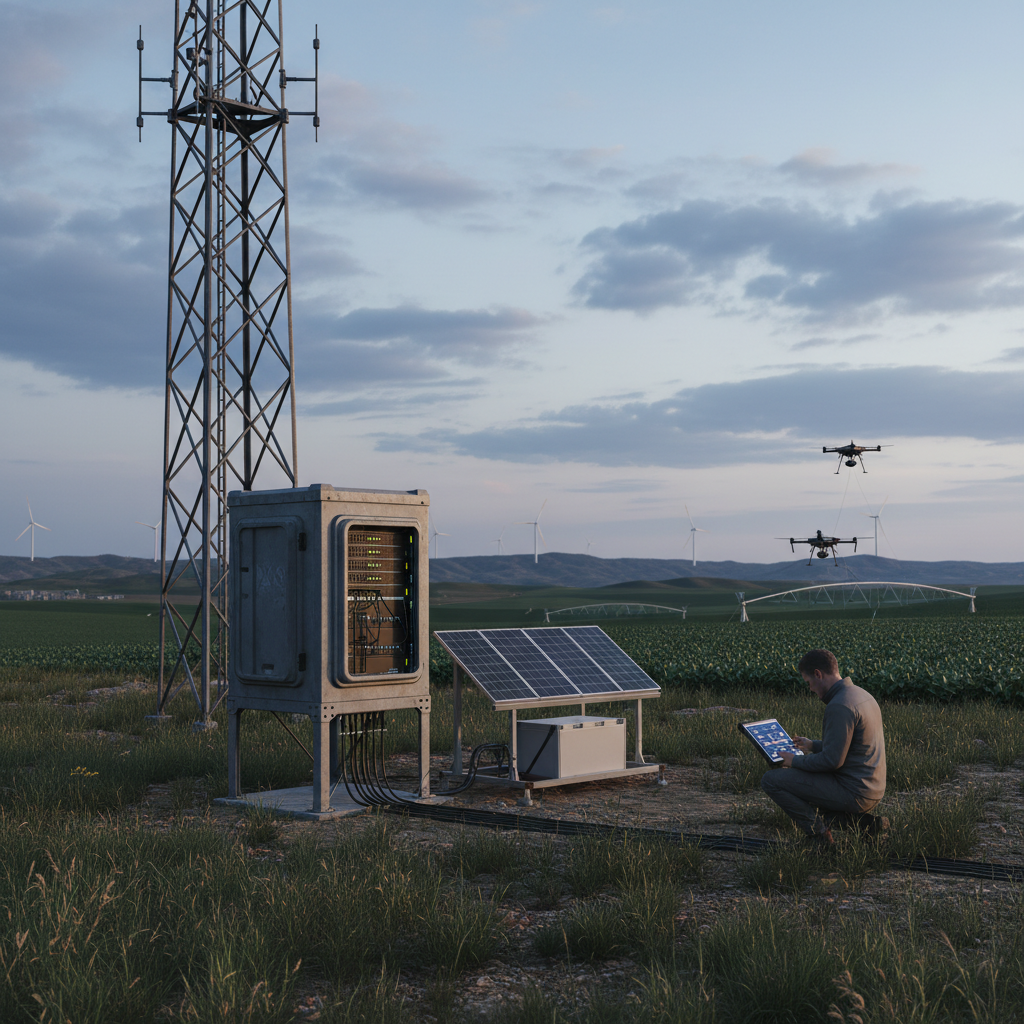
At its core, edge computing is about bringing computation and data storage closer to the source of the data. Instead of relying solely on massive, centralized data centers or the cloud, edge computing processes data on devices located at the “edge” of the network—think smartphones, industrial sensors, or even smart traffic lights. This shift has profound implications for speed, efficiency, and security.
The Evolution of Edge Computing
The concept of edge computing isn’t entirely new. It has roots in the 1990s, but its growth has exploded in recent years, fueled by the rise of the Internet of Things (IoT) and the need for faster, more reliable data processing. As the number of connected devices has grown exponentially, so has the volume of data they generate. Sending all this data to a central cloud for processing has become increasingly impractical due to latency, bandwidth constraints, and security concerns. Edge computing emerged as a solution, allowing data to be processed locally, reducing the need to send everything to the cloud.
How Edge Computing Works: Breaking It Down
Edge computing involves a network of distributed devices that perform various tasks, including data collection, processing, and analysis. These devices can range from simple sensors to powerful mini-servers. The key is that they operate near the data source, minimizing the distance data needs to travel.
Here’s a simplified breakdown:
* **Data Generation:** Sensors, devices, and machines generate data.
* **Edge Device Processing:** The data is processed locally on edge devices. This can involve filtering, aggregation, or even complex analysis using AI and machine learning.
* **Action and Transmission:** Based on the processed data, actions are taken (e.g., adjusting a machine setting). Only essential data or insights are sent to the cloud or central data center for long-term storage or broader analysis.
This architecture enables real-time decision-making, reduces latency, and conserves bandwidth.
Common Misunderstandings About Edge Computing
There are some common misconceptions about edge computing that are worth clarifying.
* **Myth:** Edge computing will replace cloud computing.
* **Reality:** Edge computing is not a replacement for cloud computing but a complement. They work together, with the cloud handling large-scale processing and storage, while the edge focuses on real-time data processing and immediate actions.
* **Myth:** Edge computing is only for large enterprises.
* **Reality:** While large companies are early adopters, edge computing can benefit businesses of all sizes. Smaller businesses can use edge computing for things such as improved inventory management and customer insights.
* **Myth:** Edge computing is too complex to implement.
* **Reality:** While implementing an edge computing infrastructure can present challenges, it’s becoming increasingly accessible thanks to advancements in hardware, software, and management tools.
Edge Computing in Action: Real-World Applications
The impact of edge computing is already being felt across various industries. Here are a few examples:
* **Manufacturing:** Edge computing enables predictive maintenance, real-time monitoring of machinery, and optimization of production lines. Sensors on the factory floor collect data on equipment performance, and edge devices analyze this data to identify potential issues before they cause downtime.
* **Healthcare:** Edge computing facilitates remote patient monitoring, faster diagnostics, and improved patient care. For instance, edge devices can analyze data from medical devices in real time, alerting medical professionals of critical changes in a patient’s condition.
* **Smart Cities:** Edge computing is integral to smart traffic management, public safety, and energy efficiency. Smart traffic lights use edge devices to analyze traffic flow and adjust signal timings in real time, reducing congestion.
* **Autonomous Vehicles:** Self-driving cars rely on edge computing for real-time data processing and decision-making. Edge devices process data from sensors, cameras, and other inputs to navigate safely and react to changing conditions.
* **Retail:** Edge computing helps retailers improve customer experiences and optimize store operations. Retailers can use edge computing to analyze customer behavior, manage inventory, and personalize shopping experiences.
* **Financial Services:** Edge computing enables real-time fraud detection and risk analysis. This local processing reduces latency and improves the accuracy of fraud detection systems.
Edge Computing in 2026: Trends and the Future
The future of edge computing is bright, with several key trends shaping its evolution:
* **AI at the Edge:** The integration of artificial intelligence (AI) with edge computing is a significant trend. Edge AI allows devices to process complex tasks, such as video analytics and object detection, without cloud connectivity. AI-specific edge chips bring unprecedented computing power.
* **5G Integration:** The rollout of 5G networks is accelerating the adoption of edge computing. 5G provides the high speeds and low latency needed to support real-time applications, such as autonomous vehicles and augmented reality.
* **Edge Computing and Sustainability:** Edge computing can contribute to sustainability efforts by optimizing operations and reducing reliance on energy-intensive data centers.
* **Edge Computing and Blockchain:** Integration of blockchain with edge computing can address security concerns in decentralized systems.
Edge computing is predicted to grow significantly. One report estimated the edge AI hardware market at USD 32.8 billion in 2026, up from USD 27.9 billion in 2025.
Potential Challenges
While edge computing offers many benefits, there are challenges to consider:
* **Security:** As the number of edge devices grows, so does the potential attack surface. Security must be a primary consideration.
* **Management:** Managing a large number of distributed edge devices can be complex. Organizations need robust management solutions to monitor, update, and maintain devices in real time.
* **Interoperability:** Ensuring compatibility between various edge devices and systems from different manufacturers can be challenging.
* **Data Privacy:** Edge computing often processes sensitive data locally, necessitating measures to protect privacy and comply with regulations such as GDPR and HIPAA.
* **Scalability:** Scaling edge computing systems can be difficult because of limitations in processing power, memory, and energy in edge devices.
Edge Computing: The Benefits
Edge computing offers numerous benefits, making it an attractive option for businesses and organizations across various sectors:
* **Faster Response Times:** By processing data closer to its source, edge computing reduces latency, resulting in faster response times for applications and services.
* **Improved Security:** Edge computing enhances data security by reducing the amount of data transmitted and processed in the cloud, keeping sensitive data on user devices, and reducing the risk of data compromise.
* **Reduced Network Congestion:** Processing data locally reduces the need to transmit large volumes of data over the network, decreasing network congestion and improving overall network performance.
* **Enhanced Reliability:** Edge computing provides higher reliability, especially in scenarios with intermittent or low-latency network connections, allowing for offline or low-latency operations.
* **Cost Savings:** Edge computing can lead to cost savings by reducing bandwidth usage and the need for extensive cloud infrastructure.
* **Real-time Analytics:** Edge computing enables real-time data analysis, providing businesses with up-to-the-minute insights for improved decision-making.
* **Increased Efficiency:** Offloading data processing tasks to edge devices improves overall system efficiency and streamlines operations.
* **Improved Scalability and Flexibility:** Edge computing provides scalable and flexible solutions that adapt to specific application needs and environments. Businesses can deploy edge devices as needed, scaling operations up or down without requiring significant infrastructure changes.
Edge Computing: Use Cases by Industry
Edge computing is being used in a variety of industries:
* **Healthcare:**
* Real-time health analysis for emergency medical services (EMS).
* AI-powered diagnostics.
* Remote patient monitoring.
* **Retail:**
* Security video analysis.
* Localized customer insights.
* Enhanced inventory management.
* Warehouse automation.
* **Telecom:**
* Real-time customer experience analytics.
* AIOps infrastructure management.
* Network virtualization and consolidation.
* **Banking:**
* AI-powered video surveillance.
* Branch customer insights.
* On-site transaction processing.
* Cybersecurity monitoring and analysis.
* **Manufacturing:**
* Predictive maintenance.
* Optimization of production lines.
* Real-time monitoring of machinery.
* **Transportation and Logistics:**
* Real-time fleet tracking.
* Traffic management.
* **Smart Cities:**
* Traffic management.
* Public safety.
* **Energy and Utilities:**
* Smart grids.
* Renewable energy optimization.
Frequently Asked Questions (FAQ)
Here are some frequently asked questions about edge computing:
* **What are the main benefits of edge computing?**
* Edge computing offers faster response times, enhanced security, reduced network congestion, improved reliability, and cost savings.
* **How is edge computing different from cloud computing?**
* Cloud computing centralizes data processing in remote data centers, while edge computing processes data closer to the source. Cloud computing handles large-scale processing and storage, and edge computing focuses on real-time data processing and immediate actions.
* **What industries are benefiting from edge computing?**
* Edge computing is being used in manufacturing, healthcare, smart cities, autonomous vehicles, retail, finance, and more.
* **What are the challenges of edge computing?**
* Challenges include security risks, device management complexity, interoperability issues, data privacy concerns, and scaling difficulties.
* **Is edge computing secure?**
* Edge computing can enhance security by processing data locally, reducing the distance data travels and minimizing exposure to threats. However, ensuring robust security measures is crucial.
* **How will 5G impact edge computing?**
* 5G networks provide the high speeds and low latency needed to support real-time applications, accelerating the adoption of edge computing.
* **Will edge computing replace cloud computing?**
* No, edge computing is a complement to cloud computing. They work together, with the cloud handling large-scale processing and storage and the edge focusing on real-time data processing and immediate actions.
Conclusion: The Future is at the Edge
Edge computing is not just a technological trend; it’s a fundamental shift in how we approach data processing and computing. From smart cities and autonomous vehicles to healthcare and manufacturing, edge computing is already transforming industries and shaping our future. As the technology continues to evolve, with advancements in AI, 5G, and beyond, the potential of edge computing is virtually limitless. The future of technology is at the edge, and the time to explore its possibilities is now.
If you are interested in reading more about the Indian economy, check out this article: Decoding the Complexities: A Deep Dive into the Indian Rupee’s Journey and Economic Significance.