Remember that buzz a few years back? The metaverse. Everyone was talking about it, from tech giants to your neighbor’s kid. Then, things got a bit… quiet. Did the metaverse disappear? Absolutely not. It’s just evolving. And in 2026, the real story of the metaverse is starting to unfold. It’s no longer just about clunky VR headsets and virtual land. It’s about a fundamental shift in how we interact with the digital world, each other, and the very fabric of reality itself.
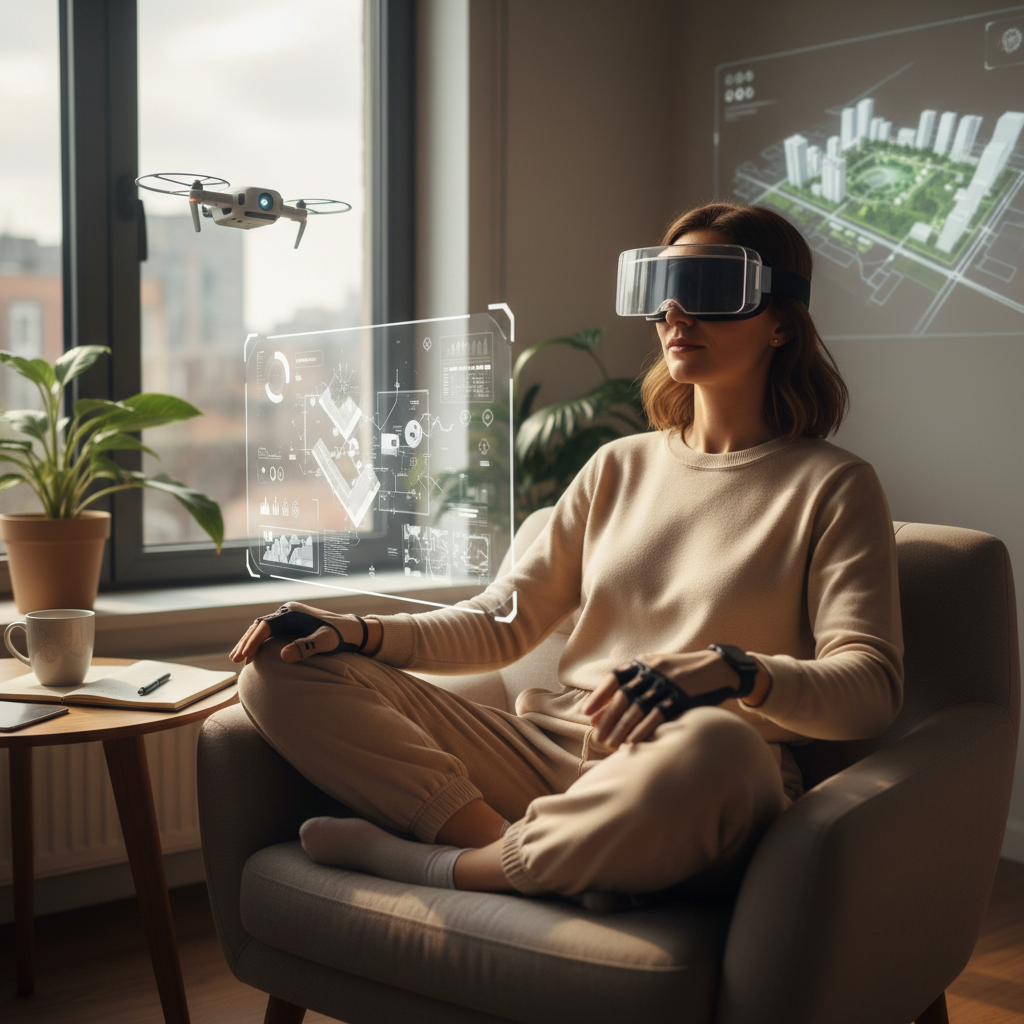
The Genesis: Where Did the Metaverse Idea Come From?
The concept of a persistent, shared, 3D virtual world has roots that go way back. Science fiction writers like Neal Stephenson, in his 1992 novel “Snow Crash,” painted a vivid picture of a digital realm called the Metaverse. Think of it as an escape, an extension, and a parallel existence all rolled into one. Gamers have been exploring virtual worlds for decades, with games like Second Life offering early glimpses of what a social metaverse could be.
Fast forward to the early 2020s, and the tech industry, spurred by advances in virtual reality (VR), augmented reality (AR), and blockchain technology, started taking the idea seriously. Companies like Meta (formerly Facebook), Microsoft, and others invested billions, creating a frenzy of announcements, acquisitions, and ambitious plans.
Beyond the Buzzwords: What Actually *Is* the Metaverse?
Let’s cut through the hype. The metaverse isn’t a single, monolithic entity. It’s more of an umbrella term for a collection of interconnected, immersive digital experiences. It’s a spectrum. It ranges from fully immersive VR worlds to AR overlays that enhance our view of the physical world. Consider it the next evolution of the internet – a place where we don’t just consume information, but actively participate in it.
Here’s a breakdown of the key components:
- Immersive Environments: VR and AR are the gateways. VR immerses you completely, blocking out the physical world. AR overlays digital information onto the real world through devices like smartphones or smart glasses.
- Digital Avatars: Your digital representation, allowing you to interact with others and express yourself. Think of it as your virtual identity.
- Interoperability: The ability to move your avatar, digital assets (like clothes or virtual property), and data between different metaverse platforms. This is crucial for a truly open and connected metaverse.
- Decentralization: Blockchain technology and cryptocurrencies are playing a significant role in empowering users, fostering ownership, and creating more equitable economies within the metaverse.
- Persistence: The metaverse isn’t reset every day. It’s a continuous, evolving world that exists even when you’re not logged in.
Misconceptions Debunked: What the Metaverse *Isn’t*
The metaverse has been the subject of a lot of misunderstanding. Let’s clear up a few common myths:
- Myth: The metaverse is *only* for gaming.
- Reality: Gaming is a major player, but the metaverse has applications across numerous industries: education, healthcare, retail, real estate, and more.
- Myth: You need a super-expensive VR headset to participate.
- Reality: While VR offers a fully immersive experience, many metaverse applications are accessible through smartphones, tablets, and computers. AR, in particular, is readily accessible via mobile devices.
- Myth: The metaverse is all about escapism.
- Reality: While the metaverse offers escape and entertainment, it’s also about enhancing our real-world experiences, collaborating more effectively, and building new communities.
- Myth: The metaverse is a finished product.
- Reality: It’s still in its early stages of development. We’re witnessing the groundwork being laid, and the metaverse will continue to evolve and mature over the coming years.
The Metaverse in Action: Real-World Applications in 2026
The real impact of the metaverse becomes visible when you look at its practical applications. Here are some areas where we’re seeing real traction in 2026:
1. Remote Collaboration and Work
Forget boring video calls. The metaverse offers immersive collaboration spaces where teams can work together as if they’re in the same room, regardless of physical location. Imagine architects reviewing 3D models in a shared virtual space, engineers troubleshooting complex machinery through AR overlays, or remote workers attending a company meeting with their avatars. This will result in better communication, more efficient workflows, and a more engaging work experience. Think about how much time is wasted in transit and how much more productivity is lost in translation. The Metaverse provides a solution that benefits the employee and employer.
2. Education and Training
The metaverse is revolutionizing education and training. Students can explore historical events through immersive experiences, dissect the human body in a 3D virtual environment, or practice complex surgical procedures without any risk. Training simulations become incredibly realistic, allowing professionals to hone their skills in a safe and controlled setting. This creates a more engaging and effective learning experience, leading to better knowledge retention and skill development.
3. Retail and E-commerce
Shopping is getting a major upgrade. Retailers are creating virtual storefronts where customers can browse products, try on clothes virtually, and interact with others. The metaverse allows for personalized shopping experiences, product customization, and virtual events. Consumers can preview a new couch in their living room via AR, attend a fashion show from their own homes, or purchase exclusive digital assets. The line between physical and digital commerce is blurring, offering consumers unprecedented choice and convenience.
4. Healthcare
The healthcare industry is leveraging the metaverse for everything from remote patient monitoring and virtual therapy sessions to advanced surgical training. Surgeons can practice complex procedures in a risk-free virtual environment, while patients can receive therapy or support from the comfort of their own homes. The metaverse offers new avenues for delivering healthcare, improving patient outcomes, and expanding access to care, especially for remote or underserved populations.
5. Real Estate
Want to see a property without traveling? The metaverse offers virtual tours, allowing prospective buyers to explore homes and properties from anywhere in the world. Architects and designers can showcase their creations in 3D, and buyers can customize spaces and visualize their future homes. This speeds up the buying process, reduces the need for physical viewings, and provides a more immersive and informative experience.
Challenges and Opportunities: Navigating the Metaverse Landscape
While the metaverse holds enormous potential, it’s not without its challenges. Here are some key considerations for the coming years:
- Accessibility: The cost of VR/AR hardware remains a barrier to entry for many.
- Interoperability: Ensuring that digital assets and identities can seamlessly move between platforms is crucial.
- Data Privacy and Security: Protecting user data and preventing misuse is paramount.
- Regulation: Clear guidelines are needed to address issues such as content moderation, intellectual property rights, and taxation in the metaverse.
- Ethical Considerations: Concerns about addiction, social isolation, and the potential for abuse need careful attention.
Despite these challenges, the opportunities are immense. As the technology matures, we can anticipate:
- More immersive and realistic experiences: Advancements in VR, AR, and haptic technology will create more engaging and interactive environments.
- Greater interoperability: Platforms will become more interconnected, allowing users to seamlessly move between different metaverse worlds.
- Increased adoption across industries: Expect to see the metaverse integrated into more aspects of our lives, from entertainment and social interaction to education, work, and healthcare.
- A thriving creator economy: The metaverse will empower creators to build and monetize their own virtual experiences, digital assets, and virtual economies.
The Future is Now: How to Prepare for the Metaverse
The metaverse isn’t just a distant future concept; it’s already here, evolving at a rapid pace. Here’s how to prepare for the metaverse in 2026 and beyond:
- Stay Informed: Follow tech news, industry publications, and thought leaders to stay up-to-date on the latest developments.
- Experiment and Explore: Try out different VR/AR experiences, explore metaverse platforms, and experiment with creating your own digital content.
- Develop Relevant Skills: Consider learning skills related to VR/AR development, 3D modeling, game design, blockchain technology, and digital marketing.
- Understand the Ethical Implications: Think critically about the potential impacts of the metaverse on society and develop a responsible approach to its use.
- Be Open to New Possibilities: The metaverse is constantly evolving, so embrace change and be prepared to adapt to new technologies and trends.
The Infosprout Perspective
At Infosprout, we believe the metaverse is more than a fleeting trend. We see it as a transformative technology with the potential to reshape how we live, work, and interact. We’re committed to providing in-depth analysis and insights to help you understand the metaverse and navigate its ever-changing landscape. We encourage you to explore the possibilities, engage with the technology, and join us in shaping the future of the digital world.
Frequently Asked Questions (FAQs)
- What are the main benefits of the metaverse?
The metaverse offers increased immersion, enhanced collaboration, new avenues for creativity and expression, and improved access to education, healthcare, and other services.
- Is the metaverse safe?
Like any online environment, the metaverse poses risks, including data privacy concerns, the potential for harassment, and exposure to inappropriate content. It is important to practice safe online behavior and be aware of potential risks. Platforms are constantly working to improve safety measures.
- How can I experience the metaverse?
You can experience the metaverse through VR headsets, AR-enabled devices like smartphones and tablets, and even through web browsers. The level of immersion varies depending on the platform and device.
- Will the metaverse replace the real world?
No, the metaverse is designed to enhance and augment our real-world experiences, not replace them. It’s about creating new ways to interact, connect, and collaborate.
- What skills are needed for the metaverse?
Skills in VR/AR development, 3D modeling, game design, blockchain technology, digital marketing, and content creation will be highly valuable in the metaverse.
- How will the metaverse impact my job?
The metaverse will create new job opportunities in areas such as virtual world design, content creation, digital asset management, and virtual event planning. Existing jobs may also evolve to incorporate metaverse-related tools and technologies.
- What are the biggest challenges facing the metaverse?
Key challenges include interoperability, data privacy, security, regulation, and the need for affordable and accessible hardware.
- What is the difference between AR, VR, and the Metaverse?
VR (Virtual Reality) is a fully immersive experience that uses a headset to block out the real world. AR (Augmented Reality) overlays digital information onto the real world through devices like smartphones or smart glasses. The Metaverse is a broader concept encompassing interconnected, immersive digital experiences that may utilize both VR and AR technologies.